Where Is Frosinone and What Makes It Unique
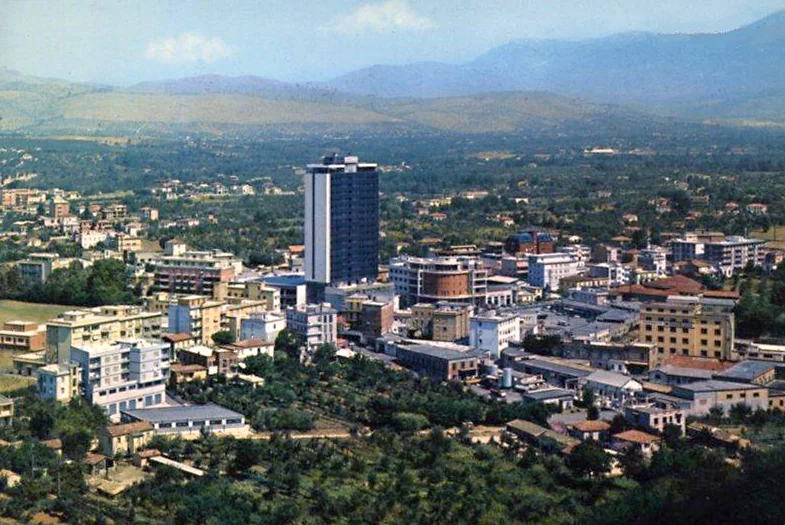
Frosinone is a city and municipality located in the Lazio region of central Italy, serving as the capital of the Province of Frosinone. Situated between Rome and Naples, it occupies a strategic position in the Sacco River valley, surrounded by the rolling hills and mountains of the area historically known as Ciociaria. The city sits at an elevation of approximately 291 metres above sea level, which gives it a distinctive hilltop character visible from the surrounding plains.
With a population of roughly 46,000 residents, Frosinone is a medium-sized Italian city that balances its ancient roots with modern development. Its geographic location — about 80 kilometres southeast of Rome — has historically made it an important crossroads for commerce, culture, and governance in central Italy.
The Province of Frosinone
The Province of Frosinone covers an extensive territory of approximately 3,244 square kilometres and includes over 90 municipalities. The province borders Rome to the northwest, Latina to the west, Caserta and Isernia to the south and east, and L'Aquila to the northeast. This broad territorial scope makes it one of the most geographically diverse provinces in Lazio, encompassing the Ciociaria plains, mountain ranges, natural parks, and medieval hill towns.
History and Cultural Heritage
Frosinone has ancient origins dating back to pre-Roman times. The city was originally settled by the Volsci, an ancient Italic people, before coming under Roman control. During the Roman period, the settlement known as Frusino became a municipium, reflecting its administrative importance in the region.
Throughout the medieval era, the city passed through the hands of various ruling powers, including the Lombards and later the Papal States, under whose authority it remained for several centuries. This long period of papal governance significantly shaped the city's urban layout and ecclesiastical architecture.
Key Landmarks and Monuments
Frosinone's historic centre contains several notable landmarks worth exploring:
- Cattedrale di Santa Maria Assunta: The city's main cathedral, originally built in the medieval period and later renovated, stands as a central symbol of religious and architectural heritage.
- Palazzo della Banca d'Italia: A fine example of early 20th-century institutional architecture that reflects the city's administrative role.
- Villa Comunale: A public garden that offers panoramic views over the Sacco Valley and surrounding landscape, frequently used for local events and leisure.
The Ciociaria region, of which Frosinone is the cultural capital, is also known for its traditional crafts, folk music, and the characteristic ciocia, a type of sandal-style footwear that gave the region its name.
Economy and Industry
Frosinone's economy has evolved considerably over the past century. While agriculture once dominated the local economy — with production of olives, grapes, and cereals — the city and its province developed a significant industrial base during the latter half of the 20th century.
The Frosinone area became home to important manufacturing facilities, particularly in the automotive and pharmaceutical sectors. Companies such as Fiat (now Stellantis) established production plants in the province, making the region a notable contributor to Italian industrial output. The pharmaceutical and chemical industries also have a strong presence in the province, providing employment to thousands of workers.
Tourism and Services
In recent decades, the service sector has grown considerably in Frosinone, driven by retail, public administration, healthcare, and education. The city is home to the Università degli Studi di Cassino e del Lazio Meridionale, which has a presence in the area and supports a student population that contributes to local economic activity.
Tourism, while not the dominant economic driver, plays a growing role. Visitors are drawn to the natural landscapes of the nearby Monti Simbruini and the Comino Valley, as well as the medieval towns and abbeys scattered throughout the province, including the famous Abbazia di Montecassino.
Frosinone Calcio and Sports Culture
Frosinone is widely recognised across Italy and Europe for its football club, Frosinone Calcio, founded in 1928. The club, nicknamed I Canarini (The Canaries) due to their distinctive yellow jerseys, has experienced a remarkable rise through the ranks of Italian football in the 21st century.
Frosinone Calcio has competed in Serie A, Italy's top football division, on multiple occasions, most recently drawing international attention for their performances in the top flight. Their home ground, the Stadio Benito Stirpe, was completely rebuilt and reopened in 2017, and has been praised as one of the most modern and sustainable football stadiums in Italy, earning recognition from UEFA for its design and environmental standards.
Beyond football, the city supports a range of other sports and recreational activities, benefiting from its proximity to mountain areas suitable for hiking, cycling, and winter sports.
Comments