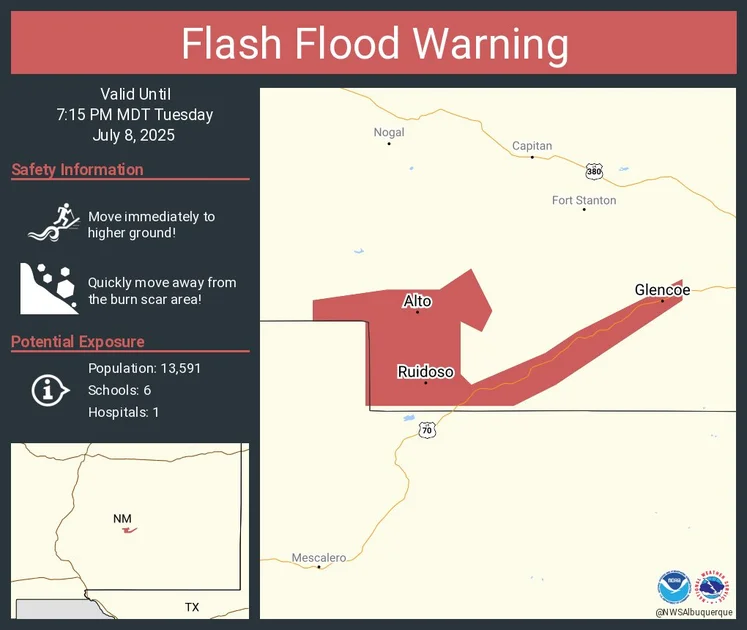
A flash flood warning is one of the most urgent weather alerts issued by meteorological authorities. Unlike other flood advisories, it signals that dangerous flooding is already occurring or is imminent, requiring immediate action. Understanding what this alert means and how to respond can be the difference between safety and a life-threatening situation.
Understanding Flash Flood Warnings
A flash flood warning is issued by national weather agencies, such as the National Weather Service (NWS) in the United States, when flash flooding is either occurring or expected to occur within a very short timeframe — typically within six hours of heavy rainfall or another triggering event.
How It Differs from a Flash Flood Watch
Many people confuse a flash flood warning with a flash flood watch. The distinction is critical:
- Flash Flood Watch: Conditions are favorable for flash flooding to develop. Residents should remain alert and be prepared to act.
- Flash Flood Warning: Flash flooding is imminent or already happening. Immediate protective action is required.
- Flash Flood Emergency: A rare, more severe alert indicating a life-threatening situation with catastrophic flooding underway.
The warning carries the highest urgency among routine flood alerts and should never be taken lightly.
Common Causes of Flash Floods
Flash floods can develop rapidly and with little warning. Common triggers include:
- Intense rainfall: Heavy precipitation over a short period saturates the ground, causing water to run off rather than absorb.
- Dam or levee failures: Structural failures can release large volumes of water suddenly.
- Rapid snowmelt: Warm temperatures combined with rain can cause snow to melt faster than the ground can absorb.
- Urban drainage issues: Impervious surfaces like roads and parking lots accelerate runoff in cities.
Flash floods are particularly dangerous in valleys, canyons, dry riverbeds, and areas downstream from dams.
How Flash Flood Warnings Are Issued
Weather agencies use a combination of tools and data to determine when to issue a flash flood warning. These include Doppler radar systems, rain gauges, stream gauges, and advanced meteorological modeling. Automated sensors help monitor water levels in rivers and streams in near real-time.
The Role of the Wireless Emergency Alert System
In the United States, flash flood warnings are automatically pushed to mobile phones through the Wireless Emergency Alert (WEA) system. These alerts appear as loud, attention-grabbing notifications and include the affected area, the nature of the threat, and instructions for action. Similar systems exist in other countries, such as the UK's Emergency Alerts service and Canada's Alert Ready system.
Local television, radio, and NOAA Weather Radio also broadcast these warnings continuously during active events. It is important to have multiple sources of information to ensure timely notice, especially in areas with limited cellular coverage.
Safety Actions to Take During a Flash Flood Warning
When a flash flood warning is issued, the priority is immediate action. Delay can be fatal. The standard guidance from emergency management agencies can be summarized in a few key directives.
Evacuate Low-Lying Areas Immediately
If you are in a low-lying area, near a stream, river, or drainage channel, evacuate immediately. Move to higher ground without waiting for official evacuation orders if you believe water is rising. Do not attempt to cross moving water on foot — just six inches of fast-moving water can knock a person down, and two feet of water can carry away most vehicles.
Never Drive Through Flooded Roads
The phrase "Turn Around, Don't Drown" is a widely promoted safety slogan for a reason. A large percentage of flash flood fatalities in the U.S. involve vehicles. Drivers frequently underestimate the depth and power of water covering roadways. Even if a road appears passable, the surface beneath the water may be compromised or the water may be deeper than it looks.
Shelter in Place If Evacuation Is Not Possible
If you cannot safely evacuate, move to the highest floor of a sturdy building. Avoid basements and ground floors. Stay away from windows and do not attempt to swim to safety unless water levels are directly threatening your life. Signal for help if needed.
After the Flash Flood Warning Is Lifted
Once officials lift the warning, the danger is not necessarily over. Floodwaters may remain for hours or days. Standing water can contain hazardous materials, sewage, and hidden debris. Electrical hazards are also a concern near flooded areas.
Residents should wait for local authorities to declare an area safe before returning home. Document any property damage with photographs before cleaning up, as this is important for insurance claims. Avoid using tap water until it has been confirmed safe by local utilities, as floodwaters can contaminate municipal water systems.
Staying informed through local emergency management agencies and official weather services remains essential even after the initial warning period has passed.
Comments