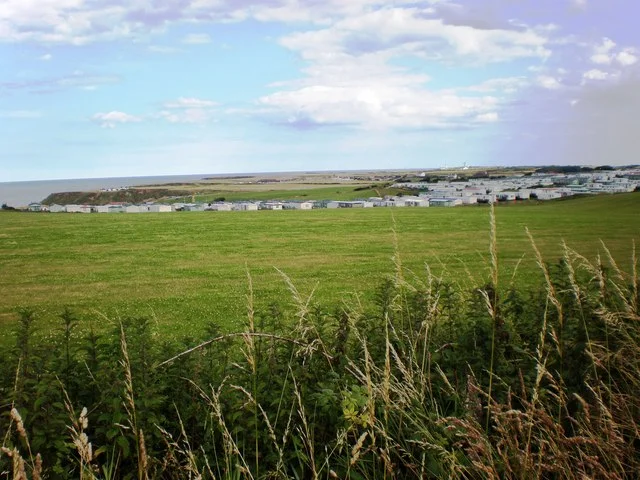
Flamborough is a small village and civil parish located on the Flamborough Head peninsula in the East Riding of Yorkshire, England. Situated between the seaside resorts of Bridlington and Filey, this distinctive coastal community draws visitors and naturalists from across the country. Its dramatic chalk cliffs, rich history, and exceptional wildlife make it one of the most remarkable places on England's North Sea coastline.
Geography and Natural Landscape
Flamborough Head is one of the most recognisable geographical features on the eastern coast of England. The headland juts nearly five miles into the North Sea, creating a striking promontory of white chalk cliffs that rise dramatically from the water. These cliffs, formed from Late Cretaceous chalk, extend along much of the coastline and include sea caves, natural arches, and stacks carved by centuries of wave erosion.
The Flamborough Heritage Coast
The area forms part of the Flamborough Head Heritage Coast, a designated stretch of coastline recognised for its exceptional natural beauty and geological significance. The chalk geology here is relatively rare in northern England, lending the landscape a distinctly different appearance from the rugged gritstone moorlands found inland. The chalk filters groundwater and supports a specific range of plant communities along the cliff tops.
The headland also borders the Flamborough Head Marine Conservation Zone, established to protect the rich and diverse marine ecosystems found in the surrounding waters. Beneath the surface, the seabed supports kelp forests, sponge communities, and a wide variety of fish species.
Wildlife and Nature
Flamborough is internationally recognised as one of the finest seabird colonies in the United Kingdom. During the spring and summer breeding season, the cliffs host enormous numbers of nesting birds, attracting birdwatchers and conservationists from around the world.
Seabird Colony
The chalk cliffs provide ideal nesting habitat for species including puffins, razorbills, guillemots, kittiwakes, fulmars, and gannets. The RSPB Bempton Cliffs reserve, located just to the north of Flamborough village, is the primary site for observing these colonies and is the only mainland gannet colony in England. Tens of thousands of birds congregate here between April and August each year.
Flamborough Head is also a significant location for observing seabird migration. Each autumn, thousands of birds pass the headland as they move southward along the coast. Rare and unusual species are recorded regularly, making it a key destination on the UK birdwatching calendar.
Marine Life
The waters around Flamborough support grey seals, dolphins, and porpoises, which are occasionally spotted from the clifftops or from boat trips departing from nearby Bridlington Harbour. The rocky shore pools are rich in marine invertebrates, including anemones, crabs, and starfish.
History and Heritage
Human settlement around Flamborough dates back thousands of years. Archaeological evidence suggests the area was inhabited during the Neolithic and Bronze Age periods. The name Flamborough itself is believed to derive from Old Norse, reflecting the Viking influence that shaped much of Yorkshire's place names during the early medieval period.
Flamborough Lighthouse
One of the most historically significant landmarks in the area is the Flamborough Head Lighthouse. The current lighthouse, a white-painted tower standing 27 metres tall, was constructed in 1806 and continues to operate as an active navigational aid today. A much older chalk lighthouse tower, built around 1674, still stands nearby and is considered one of the oldest surviving lighthouse structures in England.
The waters around Flamborough Head have long been notorious for shipwrecks due to the dangerous combination of shifting sandbanks, powerful currents, and unpredictable weather. The lighthouse was constructed to reduce the number of maritime disasters in this area.
The Battle of Flamborough Head
One of the most notable historical events connected to Flamborough took place offshore in September 1779. The naval engagement known as the Battle of Flamborough Head saw American privateer commander John Paul Jones lead a squadron of ships in an attack on a British merchant convoy. The battle, which resulted in Jones capturing the British warship HMS Serapis, became one of the celebrated engagements of the American Revolutionary War and is still referenced in naval history.
Visiting Flamborough
The village of Flamborough itself offers a quiet, traditional character with local pubs, a church dating to the medieval period, and access to coastal walking routes. The North Sea Trail and the Cleveland Way long-distance footpath both provide access to the dramatic clifftop scenery surrounding the headland.
Several car parks and visitor facilities are available near the lighthouse and along the coast road, making the headland accessible for day visitors. Guided rock pooling sessions, boat trips, and birdwatching events are organised seasonally by local organisations and conservation groups.
Flamborough remains a place where natural spectacle, geological interest, and historical significance combine to create a destination of genuine depth and appeal along the Yorkshire coast.
Comments