
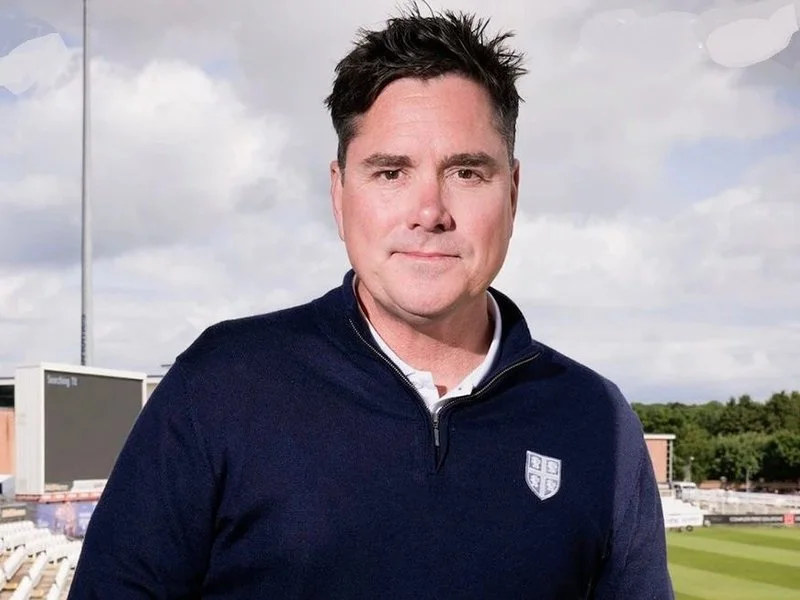
England Turns to Marcus North for National Selector Role
In a move that breaks with tradition, the England and Wales Cricket Board (ECB) is poised to appoint former Australia international Marcus North as the new national selector for the men's team. As first reported by The Telegraph and confirmed by multiple sources, the 46-year-old former Test batsman has been chosen after a rigorous interview process this week.
While the appointment is not yet official—the ECB has declined to comment—North is expected to replace Luke Wright, who stepped down after more than three years in the role. Wright's departure was described as a personal decision, unrelated to England's heavy 4-1 Ashes defeat in Australia earlier this year.
If confirmed, North will become the first foreigner to lead the selection of England's men's cricket team, a historic shift for a cricketing nation that has traditionally kept its top cricket operations roles for domestic candidates.
A Familiar Face in English Cricket
North is no stranger to the English game. Since 2018, he has served as director of cricket at Durham, one of the six counties for which he played first-class cricket during his career. At Durham, he has worked closely with England Test captain Ben Stokes, a relationship that likely bolstered his candidacy. North also played 21 Tests for Australia, including two Ashes series, giving him intimate knowledge of the pressures and nuances of international cricket.
His appointment is the most significant change to England's backroom staff since the Ashes defeat. He will join head coach Brendon McCullum, director of cricket Rob Key, and the Test and limited-overs captains—Stokes and Harry Brook—in selecting England squads. Performance director Ed Barney and head of player identification David Court will also remain part of the selection panel.
What Marcus North Will Bring to the Selection Table
North's brief extends beyond just picking the senior team. He will be involved in selection for England Lions, liaise with county clubs, and lead a team of scouts. The ECB's job description called for "significant professional experience and intimate knowledge of international and first-class cricket, including knowledge of emerging players and county network." North fits that bill perfectly.
Under McCullum's aggressive "Bazball" regime, England have often bypassed proven county performers in favor of players they believe possess the raw attributes for international success. North's role may be to bring balance to that approach, grounding selection in county form while still supporting McCullum's high-risk, high-reward philosophy.
Immediate Challenges: Finding an Opener and a Spinner
North will have little time to settle. The squad for the first Test against New Zealand, starting at Lord's on June 4, is expected to be named in the week beginning May 18. A training camp at Loughborough follows on May 25.
One of the most pressing decisions will be finding a new opener to replace Zak Crawley, who has struggled for consistency. Among the leading contenders are Durham's Emilio Gay and Somerset's James Rew. Both could be named in the squad for the first Test. The identity of England's frontline spinner and the composition of the fast-bowling attack are also up for debate.
Around 80 candidates applied for the selector job in April, making North's eventual selection a statement of intent from the ECB. His appointment signals a willingness to look beyond traditional boundaries for expertise—a trend seen in other sports but still rare in English cricket.
Broader Implications and Historical Context
North's appointment is more than just a staffing change; it reflects a shifting mindset within the ECB. In the wake of the Ashes humiliation, the board has shown it is prepared to make bold, unconventional decisions. This echoes recent shake-ups in other sports, where having US Soccer hire a foreign coach might raise eyebrows, it is now common practice. Similarly, the Musk v. OpenAI courtroom drama shows how even the most traditional institutions are being forced to adapt to new realities.
For Australian cricket, North's move might sting—losing a former player to England's setup is rare. But for North personally, it is a natural progression after a decade of work in England's county system. His deep ties to Durham and his working relationship with Stokes make him a bridge between the international side and the domestic structure.
The ECB's decision also underscores the growing internationalization of cricket's backroom roles. Former New Zealand coach Mike Hesson and South Africa's Gary Kirsten have held senior roles in other boards. England, however, has historically been protective of its selector role. North's appointment breaks that mold.
What This Means for England's Future
If North can successfully integrate county form with McCullum's instinct-driven selections, England could develop a more robust talent pipeline. His presence may also reassure traditionalists who worry that the Bazball approach is neglecting the county championship.
The immediate test will be the New Zealand series, but the long-term impact could be felt for years. With key decisions on openers, spinners, and the bowling attack looming, North's first few months will be closely watched.
As the ECB finalizes the contract, one thing is clear: English cricket is entering a new era, led by a man who once played for the enemy. Whether that gamble pays off will be one of the defining stories of the 2026 season.
Comments