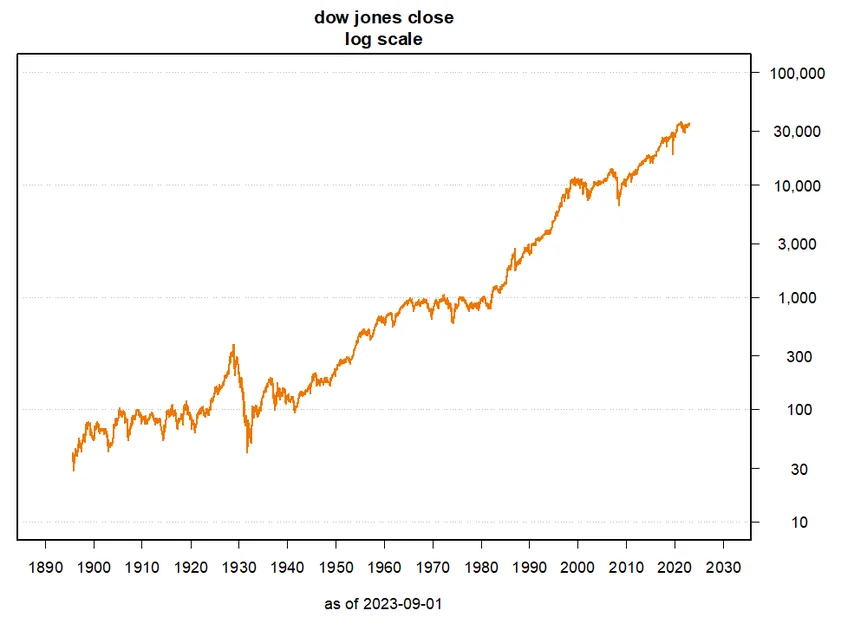
Dow Jones futures are among the most closely watched financial instruments in the world. Every morning, before U.S. stock markets open, traders, investors, and financial journalists turn to these contracts to get a sense of where the market may be headed. Understanding how they work can provide valuable context for anyone following the financial markets.
What Are Dow Jones Futures?
Dow Jones futures are standardized contracts that allow traders to buy or sell the Dow Jones Industrial Average (DJIA) at a predetermined price on a future date. The DJIA itself is a price-weighted index composed of 30 large, publicly traded U.S. companies, including names like Apple, Microsoft, Goldman Sachs, and Boeing.
These futures contracts are traded on the Chicago Mercantile Exchange (CME) and are part of a broader category of financial derivatives known as index futures. Unlike purchasing individual stocks, trading index futures does not involve owning any actual shares. Instead, traders are speculating on the direction of the index as a whole.
The E-mini and Micro E-mini Contracts
The most popular versions of Dow Jones futures are the E-mini Dow futures (ticker: YM) and the Micro E-mini Dow futures (ticker: MYM). The E-mini contract has a multiplier of $5 per index point, making it more accessible than the full-sized contract. The Micro E-mini, introduced by the CME in 2019, offers a multiplier of $0.50 per point, lowering the barrier to entry even further for retail traders.
These contracts trade nearly 24 hours a day, five days a week, giving market participants the ability to react to global news and economic events outside of standard U.S. trading hours.
How Dow Jones Futures Are Used
Dow Jones futures serve several important functions in the financial ecosystem, ranging from speculation to risk management.
Pre-Market Sentiment Indicator
One of the most common uses of Dow Jones futures is as a pre-market indicator. Financial news outlets frequently report on whether futures are "up" or "down" before the market opens. A rise in futures suggests that traders expect the DJIA to open higher, while a decline signals potential selling pressure at the open.
However, it is important to note that pre-market futures do not always predict the final closing direction of the market. Unexpected events during the trading day can cause significant divergence from pre-market signals.
Hedging Portfolio Risk
Institutional investors and portfolio managers often use Dow Jones futures to hedge against potential losses in their equity holdings. For example, if a fund manager holds a large portfolio of stocks correlated with the DJIA, they may short Dow futures to offset potential downside risk during periods of market uncertainty. This strategy can help protect portfolio value without requiring the liquidation of existing positions.
Speculation and Short-Term Trading
Active traders also use these contracts to speculate on short-term price movements. Because futures are leveraged instruments, traders can control a large notional value with a relatively small amount of capital, known as margin. While this amplifies potential gains, it also increases the risk of significant losses, making risk management essential.
Key Factors That Influence Dow Jones Futures
A variety of macroeconomic and geopolitical factors can drive movement in Dow Jones futures, often before the traditional market even opens.
Economic Data Releases
Reports such as the U.S. jobs report (non-farm payrolls), Consumer Price Index (CPI), GDP growth figures, and Federal Reserve interest rate decisions can all cause sharp movements in futures markets. Traders analyze these data points to anticipate how they might affect corporate earnings and broader economic conditions.
Earnings Reports
Since the DJIA is composed of 30 major corporations, earnings announcements from these companies—especially influential ones like JPMorgan Chase or Apple—can noticeably impact futures prices. Strong earnings often boost futures, while disappointing results can pull them lower.
Global Market Activity
Because Dow Jones futures trade around the clock, they respond to developments in Asian and European markets. A significant selloff on the Nikkei or the FTSE 100 can weigh on U.S. futures overnight, providing early warning signals for American investors.
Important Considerations for Investors
While Dow Jones futures offer useful insights and trading opportunities, they carry inherent risks that should not be overlooked. Leverage can magnify losses just as easily as it can amplify gains. Margin requirements can also change during periods of high volatility, potentially forcing traders to add capital or close positions unexpectedly.
For long-term investors, futures are generally less relevant than for active traders. However, understanding how these instruments function can provide a more complete picture of daily market dynamics and how professional participants position themselves ahead of major economic events.
Dow Jones futures remain a critical tool in the modern financial landscape, offering both a window into market sentiment and a mechanism for managing investment risk.
Comments