
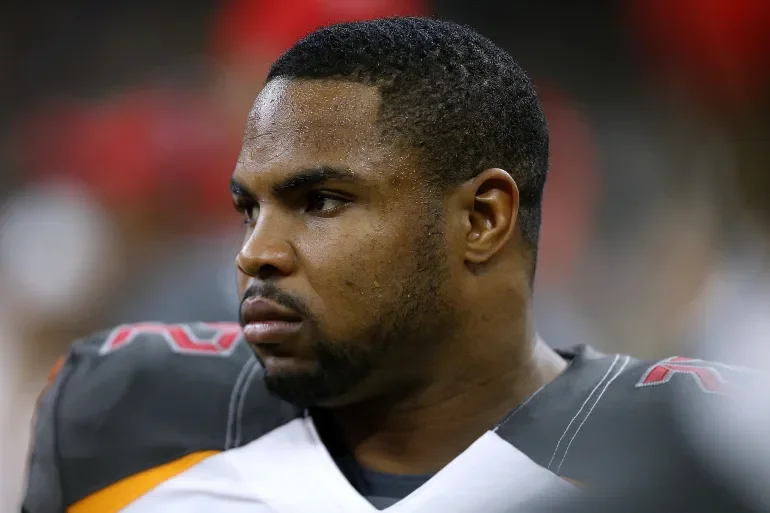
Family Files Wrongful Death Lawsuit Over Doug Martin's Death
The parents of former NFL running back Doug Martin have filed a federal wrongful death lawsuit against the city of Oakland, its police officers, and ambulance company Falck Northern California, alleging that excessive force and delayed medical care led to Martin's death last October. The suit, filed June 24 in U.S. District Court, claims Martin died of "restraint asphyxia" after officers pinned him face-down during a mental health crisis.
Martin, 36, died on Oct. 18, 2025, after police responded to multiple calls about him breaking into a neighbor's home on Ettrick Street in the Oakland Hills while suffering an apparent mental episode. According to the complaint, officers placed Martin face-down on the floor and pressed on his back until he lost consciousness. Paramedics from Falck arrived more than 15 minutes after being called and did not immediately provide care, the family alleges.
Family attorney John Burris told the San Francisco Chronicle that an independent pathologist concluded Martin likely died from restrained asphyxia. Burris said the family has yet to receive the official autopsy or toxicology report from the Alameda County coroner's office. "You'd like to think that when police are called to a situation for somebody who is having a mental breakdown, the person doesn't wind up dead," Burris said.
Why This Case Matters: Justice and Accountability
The lawsuit adds intense scrutiny to an incident that has already raised questions about police use of force and emergency response times in Oakland. Martin, a first-round draft pick of the Tampa Bay Buccaneers in 2012, was a two-time Pro Bowler and one of the most celebrated athletes to come from Oakland. His death has resonated beyond sports, highlighting the urgent need for better crisis intervention and accountability for officers.
Oakland police have released only a highly produced video compilation of the incident, in which officers can be heard questioning whether Martin was "playing possum" as he lay motionless. The family's suit demands the full, unedited footage and the official coroner's findings. Attorney Burris noted that local agencies "haven't been forthcoming" about the events leading to Martin's death.
The suit names individual Oakland police officers alongside the city and Falck Northern California. Martin's parents, Leslie and Douglas, are seeking damages for wrongful death, loss of familial relationship, funeral expenses, and attorney fees. The Oakland city attorney declined to comment, and Falck did not immediately respond to requests for comment.
Broader Implications: Police Reform and Mental Health Crisis Response
Martin's death fits a disturbing pattern of fatal encounters between police and individuals experiencing mental health crises. Across the United States, advocates have called for replacing traditional police response with mental health professionals for such calls. Oakland itself has piloted alternative crisis response programs, but Martin's case suggests gaps remain.
The lawsuit also raises questions about ambulance response times and coordination with police. The claim that Falck paramedics took over 15 minutes to arrive and then failed to act promptly could spur calls for stricter oversight of emergency medical services contracts.
For the NFL community, Martin's death is a tragic reminder that life after football can be fraught with challenges. The league has faced criticism over its handling of players' mental health and the long-term effects of the sport. While the lawsuit focuses on the actions of police and paramedics, it also underscores the need for better support systems for retired athletes.
What Comes Next: Legal Battle and Public Pressure
The lawsuit is in its early stages, with discovery expected to include depositions of officers, review of police body camera footage, and analysis of Falck's response protocols. Burris said he hopes the suit will pressure authorities to release the coroner's report, which could determine whether criminal charges are warranted.
In the meantime, Martin's parents are left grappling with the loss of their only son. "They want to know whether their son's death happened naturally, or as a result of some activity of police," Burris said. The case will likely be watched closely by civil rights advocates, the NFL, and the city of Oakland as it moves through federal court.
Comments