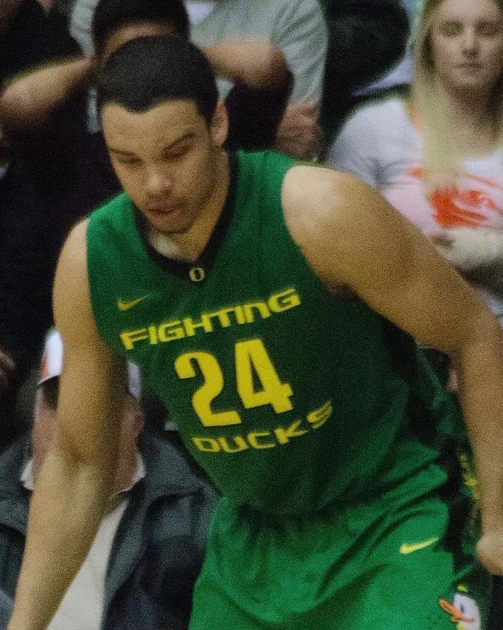
Dillon Brooks Back in the Spotlight as NBA Roster Moves Dominate Headlines
Dillon Brooks, the Canadian small forward known as much for his tenacious defense as his on-court theatrics, continues to generate significant attention in NBA circles. After signing a four-year, $80 million contract with the Houston Rockets in the summer of 2023 following his high-profile tenure with the Memphis Grizzlies, Brooks has settled into a role that is simultaneously celebrated and criticized across the league. As the NBA offseason and trade discussions heat up, Brooks's name remains one of the most searched in basketball news, reflecting a player whose presence — on and off the court — always commands attention.
A Contract That Raised Eyebrows
When the Houston Rockets secured Brooks's services ahead of the 2023–24 season, many analysts questioned whether the price tag was justified. Brooks had been a key contributor in Memphis, earning a reputation as a lockdown perimeter defender willing to guard the opposing team's best player on any given night. However, his offensive limitations and a tendency to accumulate technical fouls raised doubts about his long-term value. Despite those concerns, the Rockets committed to Brooks as part of their broader youth-driven rebuild, pairing him with rising talents including Alperen Şengün and Jalen Green.
Why Dillon Brooks Matters to the Houston Rockets' Rebuild
The Rockets have been one of the more compelling stories in recent NBA seasons, transitioning from a lottery-bound franchise into a legitimate playoff contender. Brooks's role in that development is nuanced. On the defensive end, his intensity and physicality set a tone for a young team still learning how to compete at the highest level. His willingness to take on the toughest matchups — and his vocal, sometimes provocative style — provides veteran leadership in a locker room filled with players still finding their identities.
Houston's emergence as a postseason hopeful in the Western Conference has drawn comparisons to other franchise turning points documented across the NBA's rich history of structural evolution and team rebuilding. Brooks, despite being only in his late 20s, functions as a bridge figure — experienced enough to mentor younger players while still operating in his athletic prime.
Offensive Limitations Remain a Concern
The persistent question surrounding Brooks is whether his offensive output justifies his salary and his place in the starting lineup. Throughout his career, he has averaged in the mid-to-upper teens in scoring, but efficiency metrics have often told a more complicated story. His three-point shooting has been inconsistent, and opponents have increasingly targeted him as a weak point in pick-and-roll coverages. For the Rockets to take the next step in a loaded Western Conference — a conference featuring powerhouses such as the Oklahoma City Thunder, Denver Nuggets, and Los Angeles Lakers — Brooks will need to demonstrate growth as a two-way contributor rather than a specialist.
The Nuggets vs. Lakers rivalry illustrates just how demanding the Western Conference playoff landscape can be, and Houston's path through that bracket will test every player on the roster, including Brooks.
The Broader Significance of Brooks's NBA Career
Dillon Brooks occupies a specific and valuable archetype in modern basketball: the enforcer-defender who embraces the villain role. In an era where pace-and-space offenses dominate and three-point shooting is prized above nearly all else, players willing to prioritize defense and physical intimidation are both rare and necessary. Brooks has leaned into that identity with remarkable consistency, whether jawing at LeBron James during playoff series or drawing ejections that fuel sports-media debate cycles.
The "Grizzly" Identity That Followed Him to Houston
Much of what defines Brooks was forged in Memphis, where the Grizzlies built a culture around toughness and collective identity. The so-called "Grit and Grind" legacy of that franchise shaped Brooks into the player he is today — someone who views every possession as a confrontation to be won. Bringing that mentality to Houston gave the Rockets a cultural anchor even as the team's identity continued to evolve around its younger stars.
His public persona — blunt, competitive, and utterly uninterested in softening his image — has made him a recurring subject in sports media discussions about authenticity, competitive fire, and the line between confidence and recklessness.
What Comes Next for Dillon Brooks and the Rockets
As the NBA calendar progresses and trade rumors inevitably begin to circulate around mid-contract players, Brooks's name will continue to surface in league-wide conversations. Whether Houston ultimately moves him to create roster flexibility, whether he finishes his current deal as a cornerstone of the franchise, or whether his role evolves as younger players demand more minutes — each scenario carries significant implications for one of the league's most intriguing rebuilding teams.
What is certain is that Dillon Brooks, love him or loathe him, remains one of professional basketball's most compelling figures. His career arc — from undrafted prospect to starter to well-compensated veteran — speaks to the value the NBA places on players willing to defend, compete, and, above all, not back down. In a sport increasingly defined by offensive brilliance and superstar narratives, Brooks endures as a necessary counterpoint: the player everyone else prepares for, even if they rarely admit it.
Comments