
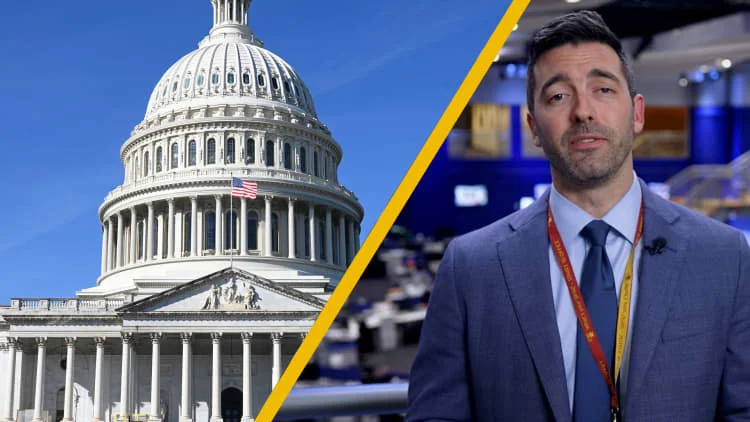
Democrats Take Congress, Set Stage for Trump Impeachment Talk
Democrats have flipped both the House of Representatives and the Senate in Tuesday's midterm elections, according to multiple news outlets, giving them the power to launch impeachment proceedings against President Donald Trump and members of his administration. The results, declared Wednesday, mark a dramatic shift in Washington just two years before the 2028 presidential campaign.
In the House, Democrats secured at least 218 seats, guaranteeing a majority, while Senate races in Maine, Ohio, Iowa, Kansas, North Carolina, South Carolina, and Texas fell to Democrats. Two races, Mississippi and Alaska, remained too close to call as of Wednesday. Before the election, Republicans held a 53-47 Senate majority and a slim 218-214 House edge.
The Democratic victories came after Trump repeatedly urged voters to "pretend I'm on the ballot," framing the midterms as a referendum on his presidency. Voters, however, cited concerns about the economy, rising costs, and the president's conduct. One September poll found that 53% of respondents believed Trump is corrupt.
Impeachment: What It Is and How It Works
Impeachment is the constitutional process by which Congress can charge and potentially remove a president, vice president, or other federal officials for "treason, bribery, or other high crimes and misdemeanors." The House has the sole power to impeach, requiring a simple majority vote. The Senate then holds a trial, and conviction requires a two-thirds majority of senators present.
Trump was impeached twice during his first term—once over withholding aid to Ukraine to pressure officials to investigate Hunter Biden, and once over incitement of the January 6 Capitol attack. He was acquitted both times. Now, with Democrats controlling the House, a third impeachment inquiry is possible, though Democratic leaders have not yet made it an immediate priority.
Why It Matters: Investigations and Gridlock
Democratic control of Congress gives the party broad oversight authority to investigate executive conduct. House Democratic Leader Hakeem Jeffries has made clear that impeachment would be "on the menu" if the House changed hands, and Democrats are promising a 100-day agenda focused on lowering costs and restoring healthcare programs, alongside a robust oversight push.
However, impeachment alone would not remove Trump from office. Even with Democratic control of the Senate, conviction would require 17 Republican senators to join Democrats—a high bar. As a result, Democrats may prioritize sustained investigations over a formal impeachment vote, using subpoenas and public testimony to hold the administration accountable. Lessons from the two failed impeachment bids suggest that methodical oversight, rather than a rushed impeachment, could yield more lasting gains.
Trump, meanwhile, has threatened to "veto everything" Democrats send to his desk, signaling two years of legislative gridlock. "I guess I'll become Mr. Veto," he said this week. "They'll be sending stuff up. You veto it." The White House dismissed the Democratic agenda, with spokeswoman Lauren Bis telling Newsweek that "Democrats have no agenda to improve the lives of Americans."
Perspective: A Lame-Duck President and a Shift in Power
The midterm results dramatically diminish Trump's political capital at home and abroad, leaving him a lame duck for his final two years in office. The center of gravity in Washington has shifted toward Capitol Hill, where Democrats will seek to check presidential power after two years of Republican acquiescence.
Trump attempted to deflect blame, telling Fox News that Democrats "did a good job" and that he didn't view the results as "a hit on me." But the losses underscore a broader trend: voters' growing disenchantment with Trumpism, particularly amid economic pain and his handling of foreign policy, including the war with Iran and tariff policies.
For Democrats, the challenge will be balancing oversight with governance. While impeachment inquiries could enhance transparency and reassert congressional authority, they also risk overshadowing the party's legislative priorities. With the 2028 presidential campaign already looming, how Democrats wield their new power—and whether they pursue a third impeachment—will shape the final years of Trump's presidency and the future of American democracy.
As the 120th Congress prepares to convene in January, all eyes will be on whether Democrats can turn their electoral victory into lasting accountability without falling into the partisan traps that derailed previous impeachment efforts.
Comments