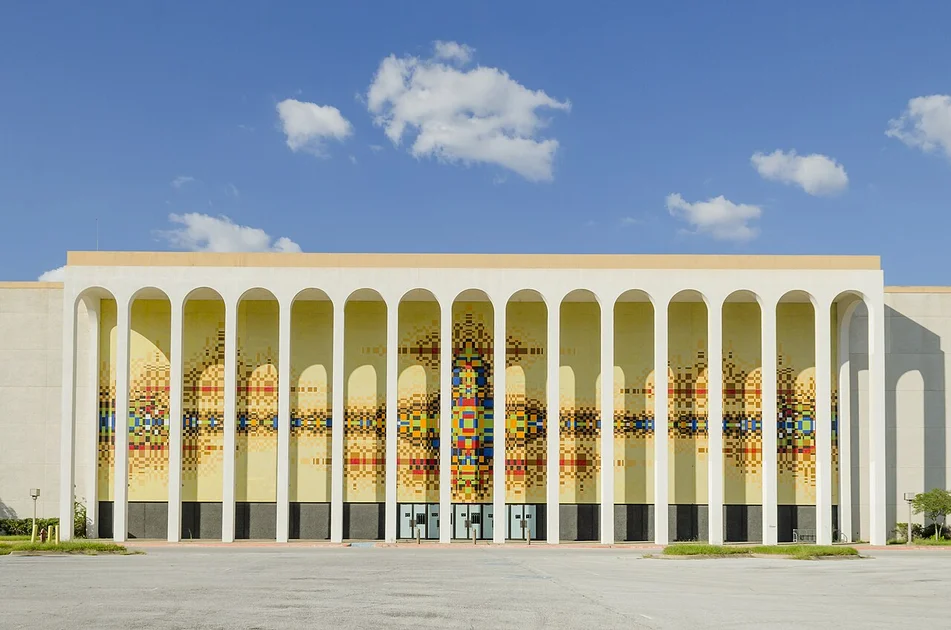
A Brief History of Dallas
Dallas, located in north-central Texas, was officially incorporated as a city in 1856. Its early growth was largely driven by its position as a trading post and its access to the Trinity River. The arrival of railroads in the 1870s transformed Dallas into a regional commercial hub, accelerating population growth and economic development.
Key Milestones in Dallas History
The city gained international recognition — and a somber place in history — on November 22, 1963, when President John F. Kennedy was assassinated in Dealey Plaza. Today, the Sixth Floor Museum at Dealey Plaza serves as a major historical landmark that draws visitors from around the world.
Throughout the 20th century, Dallas experienced rapid urban expansion. The discovery of oil in nearby East Texas during the 1930s further fueled the city's prosperity, establishing it as a financial center for the energy industry.
The Dallas Economy
Dallas is one of the largest economic centers in the United States. The Dallas-Fort Worth metropolitan area, often referred to as the "Metroplex," consistently ranks among the top five largest metro economies in the country. The city serves as headquarters for numerous Fortune 500 companies, including AT&T, ExxonMobil, and American Airlines.
Major Industries
Several key sectors drive the Dallas economy:
- Finance and Banking: Dallas is home to a major Federal Reserve Bank branch and hosts dozens of regional and national financial institutions.
- Technology: The city has developed a growing tech sector, with companies in telecommunications, software development, and cybersecurity establishing significant presences.
- Healthcare: Medical City Dallas and UT Southwestern Medical Center are among the leading healthcare institutions in the region.
- Retail and Trade: Dallas hosts one of the largest wholesale trade markets in the world, the Dallas Market Center, which attracts buyers from across the globe.
Business Environment
Texas has no state income tax, which makes Dallas particularly attractive to businesses and professionals relocating from higher-tax states. This policy, combined with relatively affordable real estate and a large labor pool, has contributed to consistent population and economic growth in recent decades.
Culture, Arts, and Attractions
Dallas offers a rich cultural landscape shaped by its diverse population and history. The city is home to world-class museums, performing arts venues, and a vibrant culinary scene.
Museums and Arts Districts
The Dallas Arts District is the largest urban arts district in the United States, covering 68 contiguous acres in the heart of downtown. It includes:
- The Dallas Museum of Art: Featuring a permanent collection of more than 24,000 works spanning 5,000 years of history.
- The Nasher Sculpture Center: Home to an internationally recognized collection of modern and contemporary sculpture.
- The Perot Museum of Nature and Science: A modern facility dedicated to science education and interactive exhibits.
Sports Culture
Dallas has a strong sports identity. The city is home to several major professional teams:
- The Dallas Cowboys (NFL), one of the most recognized sports franchises in the world, play at AT&T Stadium in nearby Arlington.
- The Dallas Mavericks (NBA) compete at the American Airlines Center in downtown Dallas.
- The Texas Rangers (MLB) are based in Arlington, just west of the city.
- FC Dallas represents the city in Major League Soccer.
Food and Neighborhoods
The culinary scene in Dallas reflects the city's multicultural population. Deep Ellum, a historic neighborhood east of downtown, is known for its live music venues, restaurants, and street art. Uptown Dallas offers upscale dining and entertainment options, while Oak Cliff is recognized for its diverse, eclectic food scene featuring Latin American cuisine and independent eateries.
Dallas Infrastructure and Transportation
Dallas is a major transportation hub in the southern United States. Dallas/Fort Worth International Airport (DFW) is one of the busiest airports in the world, serving over 70 million passengers annually. Love Field, located closer to the city center, offers additional domestic flight options.
The city's public transportation system, operated by DART (Dallas Area Rapid Transit), includes light rail, bus rapid transit, and commuter rail services. The DART light rail network is one of the longest in the United States, connecting Dallas with many of its surrounding suburbs.
Highway infrastructure in Dallas is extensive, with several major interstates — including I-35E, I-30, and I-45 — converging in the city, supporting both local commuting and long-distance freight transport.
Despite its sprawling urban layout, Dallas continues to invest in walkable neighborhoods and transit-oriented development to accommodate its growing population, which exceeded 1.3 million residents within city limits as of recent estimates.
Comments