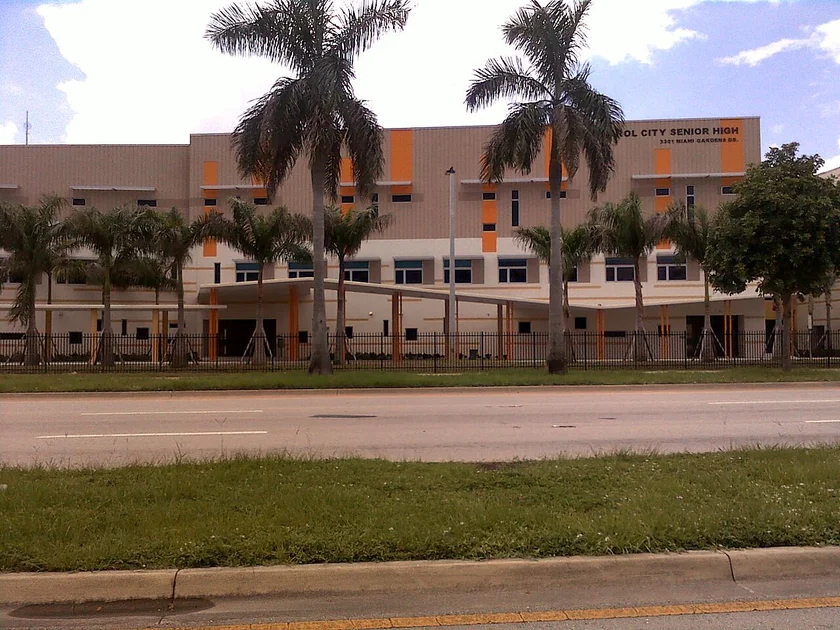
Miami-Dade's Public School System Confronts a Pivotal Moment
Miami-Dade County Public Schools — widely known through its official portal, dadeschools — is facing one of its most consequential periods in recent memory. The fourth-largest school district in the United States, serving over 330,000 students across more than 500 schools, is currently navigating a convergence of financial pressures, technological transformation, and political tension that is reshaping how students, parents, and educators interact with the system.
In recent weeks, district officials have been called to address growing concerns from parents and teachers over proposed budget reallocations that could affect classroom staffing levels and extracurricular programming. Superintendent Dr. Marta Pérez has acknowledged that the district is working within tighter fiscal constraints, a situation partly driven by shifts in state funding formulas and the gradual wind-down of federal pandemic-era education relief funds that many Florida districts relied upon through 2023 and 2024.
Key Figures and Data Points
The district's operating budget for fiscal year 2025 is under close review, with early projections indicating a potential shortfall of between $150 million and $200 million when accounting for salary commitments and inflation-adjusted operational costs. The dadeschools administration has indicated that no final decisions have been made, but internal memos reviewed by local media suggest that consolidations and staffing freezes are being actively considered. More than 40,000 employees work within the district, making these decisions politically and economically significant for the broader Miami-Dade region.
Why This Matters: Stakes for Students, Families, and Florida's Education Landscape
The developments at dadeschools do not exist in a vacuum. They reflect a broader national tension between the legacy costs of large urban school systems and the demand for modern, technology-forward education. Miami-Dade has, in past years, been considered a national model for urban school reform, and any regression in performance or resources carries symbolic weight well beyond Florida's borders.
The district has been accelerating its adoption of artificial intelligence tools for both administrative efficiency and classroom support. Pilots involving AI-assisted tutoring platforms and automated attendance and grading systems are already underway in select schools. Proponents argue these tools can stretch limited instructional budgets further, while critics — including several teachers' union representatives — warn of over-reliance on unproven technology at the expense of human educators.
Political Dimensions and State-Level Pressure
Florida's education policy environment has grown increasingly complex. The expansion of the state's school voucher program, which allows public funds to follow students to private and charter institutions, has directly affected enrollment projections for districts like Miami-Dade. As more families exercise school choice options, per-pupil funding flowing into the public system decreases, compounding the budget challenges already facing the dadeschools network. This dynamic mirrors debates playing out in districts across the country, where public school systems are being asked to do more with less amid demographic and policy shifts. The intersection of voucher expansion and public school funding is also increasingly becoming a flashpoint in broader political strategy discussions, much like the tensions visible in GOP Midterm Strategy Clash: Republicans Push Affordability While Trump Champions Voting Restrictions.
Broader Implications: What the Dadeschools Story Signals for Urban Education in America
The pressures on Miami-Dade County Public Schools point to a structural reckoning that many large urban districts will face in the coming years. Federal relief funding that cushioned the blow of the pandemic years is gone, state-level policy is increasingly redirecting dollars away from traditional public systems, and the expectations placed on schools — from mental health services to digital infrastructure — have never been higher.
The integration of AI in education, still in early stages at dadeschools, also raises long-term questions about equity. Miami-Dade serves one of the most diverse student populations in the country, with large communities of recent immigrants, English language learners, and economically disadvantaged families. How technology is deployed — and who benefits — will be a defining question for district leadership over the next several years. Similarly, the parallel pressure on public institutions to adapt rapidly to new tools and tighter budgets is reminiscent of challenges faced in other sectors, from space exploration funding debates highlighted in coverage of NASA at a Crossroads: Budget Cuts, Artemis Uncertainty, and the Future of American Space Exploration to the way legacy organizations are being forced to rethink their operating models entirely.
For now, the dadeschools community — parents, teachers, students, and administrators alike — is watching closely as decisions made in the coming months will set the trajectory for Miami-Dade's public education system for years to come. Transparency, stakeholder engagement, and strategic investment will determine whether this moment becomes a cautionary tale or a model for adaptive urban schooling in the 21st century.
Comments