
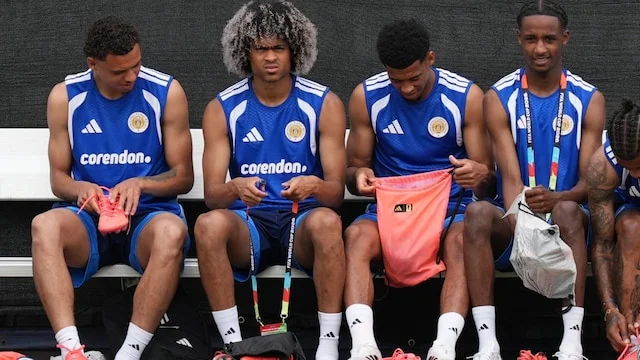
Curaçao Embraces Historic World Cup Debut Against Germany
The 2026 FIFA World Cup kicked off on June 14 with a landmark match at NRG Stadium in Houston, Texas, where the tiny Caribbean island of Curaçao faced four-time champions Germany in Group E. For Curaçao, a nation of fewer than 200,000 people ranked 82nd in the world, this is its first-ever appearance on soccer's biggest stage.
Germany entered as overwhelming favorites, with odds of -2000 on the 90-minute money line, while Curaçao was a +3500 underdog. The Germans, led by manager Julian Nagelsmann, confirmed that veteran goalkeeper Manuel Neuer would start after recovering from a calf injury sustained in May. Neuer, a starter for Germany's 2014 World Cup-winning team, returned to the squad after a bright run of form and injuries to other goalkeepers.
Nagelsmann expressed confidence in his team's preparation, noting that they arrived early in the United States to acclimate to the heat. The match featured a 1 p.m. ET kickoff to allow prime-time viewing in Europe, where Germany's passionate fan base eagerly awaited the tournament's opening contest.
Crypto Integration Marks a New Era for FIFA
Beyond the pitch, the 2026 World Cup is being defined by its unprecedented integration of cryptocurrency. Just days before kickoff, Kraken was announced as FIFA's Official Crypto Exchange Supporter, a partnership designed to promote fan engagement across North America and Europe.
Chainlink, meanwhile, has been designated to power on-chain prediction markets for every match of the 104-game tournament, using its oracle network to ensure tamper-proof data feeds. FIFA Collect, the organization's digital collectibles platform, migrated to the Avalanche blockchain in mid-2025, further embedding crypto into the fan experience.
This marks a significant shift from previous tournaments. The 48-team format, expanded from 32, means a 62.5% increase in matches compared to 2022, offering more touchpoints for crypto platforms. For investors, the timing is strategic: the Germany-Curaçao opener falls squarely within US trading hours, meaning any spike in fan token activity or prediction market volume coincides with peak liquidity in North American crypto markets.
Germany's Return to Form Under Nagelsmann
Germany's path to this tournament has been one of rebuilding. After disappointing exits in the 2018 and 2022 World Cups, the team has sought to recapture the glory of its 2014 triumph. Nagelsmann, appointed after Euro 2024, has instilled a more disciplined approach, blending seasoned players like Neuer with emerging talent.
Neuer's return is a key storyline. Having missed the DFB Pokal final in May due to injury, his appearance signals stability for a German side that has struggled with consistency. In their last competitive match, Germany defeated Slovakia 6-0, a performance that underscored their attacking potency.
For Curaçao, simply qualifying for the World Cup is a historic achievement. The team, ranked as the third-lowest nation in the tournament, represents an island with deep football roots but limited resources. Their presence in Group E is a testament to the expanded format's goal of giving smaller nations a global platform.
Broader Implications for the Tournament and Beyond
The Germany-Curaçao clash is more than just a mismatch on paper; it highlights the growing intersection of sports, technology, and global economics. FIFA's embrace of crypto reflects a broader trend in sports sponsorship, where blockchain companies are increasingly vying for visibility. Chiliz, the platform behind fan tokens, has historically seen trading volume spikes during World Cups, and the 2026 edition is expected to amplify that trend.
For Curaçao, the debut is a moment of national pride. While the odds are heavily against them, their participation underscores the World Cup's power to unite and inspire. Football pundits have noted that the expanded format brings both opportunity and challenge, with smaller teams facing steep learning curves but gaining invaluable experience.
As the tournament progresses, all eyes will be on how Germany balances its legacy with the demands of modern football. Nagelsmann's tactics, Neuer's leadership, and the team's ability to handle pressure will be scrutinized. Meanwhile, the crypto infrastructure built around this World Cup may set a precedent for future sporting events.
Looking Ahead
With 104 matches scheduled across the United States, Mexico, and Canada, the 2026 World Cup promises to be the most technologically integrated tournament in history. The Germany-Curaçao opener, while one-sided on paper, symbolizes the event's expanded reach and the blending of tradition with innovation.
For fans seeking deeper analysis, the World Cup 2026 Sub Rules: Five Subs, 10-Second Clock, and Extra Time Changes provide context on the new regulations shaping gameplay. Additionally, pundits like Ange Postecoglou joining ITV's World Cup coverage offer expert insights throughout the tournament.
As Curaçao takes its first steps on the world stage, the island's journey reminds us that football's magic lies not just in victories, but in the dreams it makes possible.
Comments