Cruzeiro Back in the Spotlight With Bold Moves on and off the Pitch
Cruzeiro Esporte Clube, one of Brazil's most storied football clubs, is commanding attention once again — this time for a combination of high-profile transfer activity, a rapidly improving league position in the Campeonato Brasileiro, and a business model that is being closely watched across South American football.
The Belo Horizonte-based club, owned since 2021 by businessman Ronaldo Nazário — the legendary former Brazil and Real Madrid striker — has been aggressively reshaping its squad for the 2025 season. Several significant signings have been confirmed in recent weeks, reinforcing the midfield and attack as the club targets a return to consistent Copa Libertadores football. Head coach Fernando Diniz, whose fluid, possession-based style attracted attention during his time with Fluminense, has been tasked with translating squad investment into tangible results.
Key Figures and Recent Results
Cruzeiro currently sits among the top half of the Brasileirão table, a notable improvement from the turbulent years that saw the club suffer a historic relegation to the Série B in 2019. Their performances in the Copa do Brasil have also drawn national attention, with the team advancing through the competition's early rounds with relative authority.
Ronaldo's involvement remains central to every major headline surrounding the club. His ownership group, Cruzeiro SAF (Sociedade Anônima do Futebol), took over a club that was carrying hundreds of millions in debt. Since then, the group has pursued a business-driven model rare in Brazilian football, emphasising transparency, commercial partnerships, and international investor outreach.
Why This Matters: Debt, Restructuring, and Brazilian Football's New Era
The stakes around Cruzeiro extend well beyond the pitch. When Ronaldo acquired the club, it was saddled with approximately R$1 billion (roughly $200 million USD) in liabilities. The SAF model — a legal framework introduced in Brazil in 2021 to allow football clubs to operate as corporations — provided a pathway to restructure that debt through a judicial recovery process.
Progress on that front has been uneven but meaningful. Creditors have been engaged, and the club has maintained operations without the kind of financial implosion that many observers feared. The model is now being studied as a reference point for other Brazilian clubs considering similar structural transitions.
The Broader Context of Brazilian Club Football
Cruzeiro's journey also reflects wider trends reshaping club football in Brazil. Several major clubs have pursued or are considering the SAF model, including Botafogo — whose own transformation under American investor John Textor led to Copa Libertadores glory in 2024. That success has intensified scrutiny on whether foreign or business-minded ownership can deliver sustainable success, or whether it primarily benefits investors at the expense of fan culture.
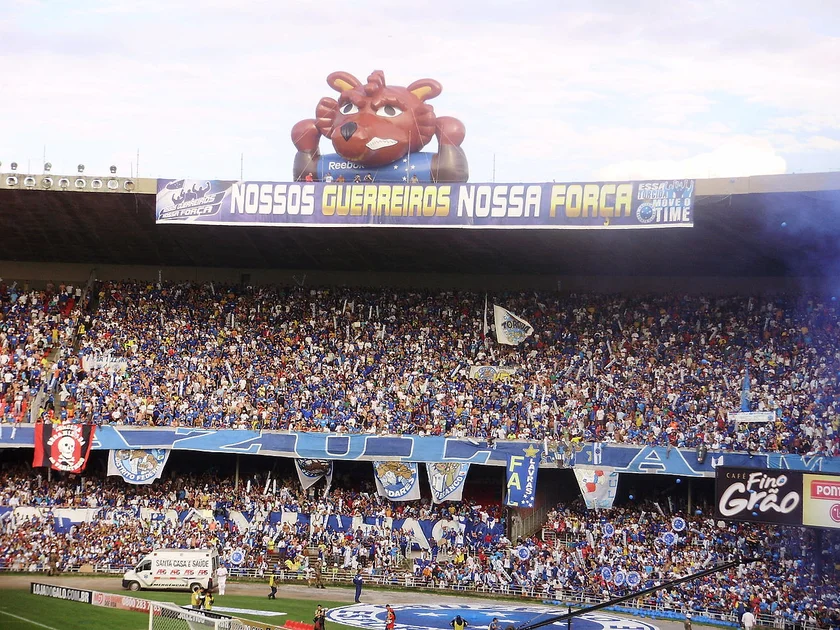
For Cruzeiro, the pressure is acute. The fan base — one of the largest in Brazil — remains emotionally raw from the 2019 relegation. Expectations for a genuine title challenge are growing with each transfer window, and patience among the torcida (supporter base) is not unlimited. The question is whether the financial groundwork being laid now will translate into the kind of silverware that justifies the model's promises. Much like high-stakes competitions elsewhere — such as the Jordan vs Costa Rica: FIFA World Cup Intercontinental Playoff Sets Up a High-Stakes Showdown — the margin for error at this level is razor thin.
What Cruzeiro's Trajectory Signals for South American Football
The developments surrounding Cruzeiro are part of a larger shift in how Latin American football clubs are financed, managed, and positioned globally. The SAF legislation that enabled Ronaldo's takeover has opened the door to investment that was previously blocked by the cooperative structures governing most Brazilian clubs.
If Cruzeiro can demonstrate that a heavily indebted historic club can return to the summit of continental competition without sacrificing institutional identity, it would represent a landmark case study — not just in Brazil but across South America. Rivals like Atlético Mineiro and Flamengo have shown what sustained investment can produce in terms of trophies, and Cruzeiro's ownership is clearly benchmarking against that standard.
Fernando Diniz's coaching philosophy, which prioritises positional fluidity and pressing intensity, could prove to be a decisive variable. If results continue to trend upward through the second half of the Brazilian season, and the Copa Libertadores qualification is secured for 2026, the narrative around the club will shift from recovery story to genuine contender.
For now, Cruzeiro occupies a compelling and somewhat precarious position: too historically significant to be ignored, too financially fragile to be fully trusted, and yet moving with a purpose that is hard to dismiss.
Comments