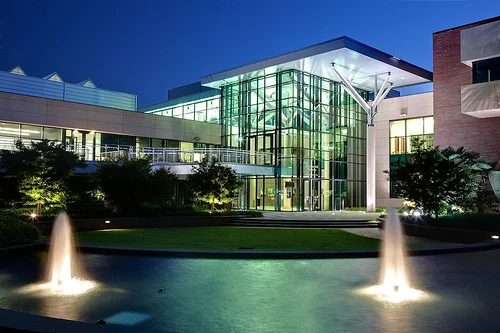
Overview of Cary, North Carolina
Cary is a town located in Wake County, North Carolina, situated in the Research Triangle region of the state. With a population exceeding 180,000 residents, it ranks among the largest municipalities in North Carolina despite technically holding the designation of a "town" rather than a city. Cary borders the state capital of Raleigh to the northwest and sits in close proximity to Durham and Chapel Hill, forming part of one of the most dynamic metropolitan areas in the southeastern United States.
Often humorously referred to as the "Containment Area for Relocated Yankees" — a nod to the large number of transplants who have moved there from northern states — Cary has developed a reputation as a well-planned, family-friendly community with strong schools, low crime rates, and robust infrastructure.
A Brief History
The town of Cary was formally incorporated in 1871, though its origins trace back to the mid-19th century. It was named after Samuel Fenton Cary, an Ohio temperance advocate and politician, by founder Frank Page, who supported the temperance movement. For much of its early history, Cary remained a small agricultural community.
The transformation of Cary into a major suburban hub began in earnest during the 1970s and 1980s, fueled largely by the growth of Research Triangle Park (RTP), a nearby hub for technology and pharmaceutical companies. This development spurred significant population growth that has continued steadily into the 21st century.
Economy and Employment
Cary's economy is closely tied to the broader Research Triangle region, which is home to numerous Fortune 500 companies, research institutions, and startups. The town itself serves as a headquarters or major operational base for several prominent organizations.
Major Employers and Industries
SAS Institute, one of the world's largest privately held software companies, is headquartered in Cary and stands as the town's largest employer. The company's sprawling campus features amenities that have helped set a standard for corporate work environments in the region. Other major employers include Fidelity Investments, which operates a significant regional campus in Cary, along with various healthcare, retail, and technology firms.
The town benefits from its proximity to Research Triangle Park, which houses companies in biotechnology, information technology, and pharmaceutical research. This concentration of high-skill industries has contributed to Cary's consistently low unemployment rates and higher-than-average household incomes compared to national benchmarks.
Business Environment
Cary has invested substantially in creating a business-friendly environment. The downtown area, once modest in scale, has undergone significant revitalization efforts in recent years. The Cary Downtown Park and a growing collection of restaurants, boutiques, and entertainment venues have helped energize the urban core while preserving the town's suburban character.
Education and Community Resources
Cary is served by the Wake County Public School System, one of the largest and most highly regarded school districts in North Carolina. Several schools within Cary consistently rank among the top-performing institutions in the state, making the town a popular destination for families with school-age children.
Higher Education Access
While Cary itself does not host a major university, residents have convenient access to several prominent institutions. North Carolina State University is located in neighboring Raleigh, Duke University is situated in Durham, and the University of North Carolina at Chapel Hill is within easy driving distance. This academic proximity enriches Cary's cultural and intellectual environment and contributes to a highly educated workforce.
Parks, Recreation, and Culture
Cary places a strong emphasis on parks and recreation. The town manages an extensive system of greenways, parks, and athletic facilities. Bond Park, one of the largest municipal parks in the region, offers opportunities for hiking, boating, and sports. The Koka Booth Amphitheatre serves as a premier outdoor venue hosting concerts and community events throughout the year.
The town also supports cultural institutions such as the Cary Arts Center, which provides space for visual and performing arts programming. The Cary Theater, a restored historic venue, screens independent and classic films and hosts community events.
Transportation and Connectivity
Cary is well-connected to the broader Research Triangle region through an extensive road network. Interstate 40 passes through the town, providing direct access to Raleigh, Durham, and beyond. U.S. Route 1 also runs through Cary, linking it to communities both north and south.
Public transportation options include GO Triangle bus services and connections to the regional transit network. Cary Station offers Amtrak service on the Carolinian and Piedmont lines, providing intercity rail connections to Charlotte and points along the northeastern corridor. Raleigh-Durham International Airport, located approximately 15 miles from downtown Cary, serves the region with domestic and international flights.
As Cary continues to grow, town planners have prioritized sustainable development, walkability, and expanded transit options to accommodate increasing demand while maintaining quality of life for residents.
Comments