
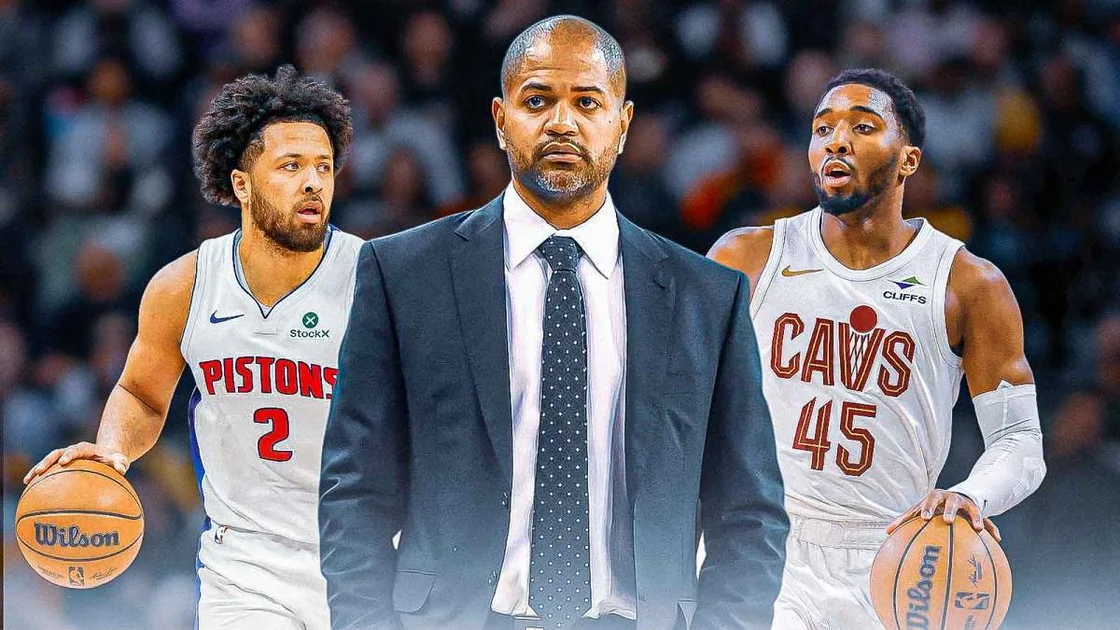
Detroit’s Bench Crisis Deepens as Caris LeVert Fails to Deliver
AUBURN HILLS, Mich. — The Detroit Pistons stole Game 1 of their second-round playoff series against the Cleveland Cavaliers on Tuesday, but the victory masked a deepening concern: the continued struggles of veteran guard Caris LeVert. Through 85 playoff minutes this season, LeVert has posted a usage rate of just 11.8% and a true shooting percentage of 34.2%, while turning the ball over more often than he records assists. In Game 1, he played nine minutes, took one shot, missed it, and finished with zero points, two rebounds, and no other statistics.
Head coach J.B. Bickerstaff turned to LeVert in Game 1 after burying him on the bench late in the Orlando Magic series. But the 31-year-old has offered little to justify the rotation spot. The Pistons’ bench as a whole was outscored by Cleveland’s reserves 32–24 in Game 1, and much of that gap came from Max Strus, who dropped 19 points on 4-of-8 three-point shooting. If you remove rookie Daniss Jenkins’ 12-point performance, the rest of Detroit’s backups combined for just 12 points — four fewer than Strus alone.
LeVert’s Decline Has Been Steady
LeVert’s drop-off is not sudden. He just completed the worst season of his career in his first year with the Pistons, shooting 33.3% from three-point range during the regular season and a dismal 1-of-6 from deep in the playoffs. He has been hesitant to initiate offense, rarely creates good looks for himself or others, and has been a step slow defensively against Cleveland’s perimeter players. As one analysis noted, “At this point, he isn't guarded out there, making things harder for his teammates.”
Why the Bench Matters More Than Ever
The Pistons’ thin rotation has been a recurring theme throughout the postseason. With Kevin Huerter sidelined for most of the playoffs (he has appeared in only four games), Detroit lacks a proven scoring threat off the bench. Huerter was a game-time decision for Game 1 and remains questionable moving forward. If he is unavailable, Bickerstaff’s options shrink further.
Cade Cunningham played 42 minutes in Game 1, and the team’s performance cratered every time he sat. Jenkins has emerged as the only reliable bench scorer, but the Pistons cannot count on him alone. Isaiah Stewart has looked “not right,” according to one source, and contributes little offensively. Ron Holland provides energy but mostly in transition, and Javonte Green is a defensive specialist who occasionally hits a corner three.
The Cavaliers’ bench, by contrast, averages 37.5 points per game in the postseason. Even after a subpar Game 1 (outside of Strus), Cleveland’s reserves are expected to bounce back. If they do before Detroit’s bench finds its footing, the series could tilt quickly. As one analyst put it, “Detroit got a scary glimpse of a potential problem.”
The Stakes Are Sky-High
This is not just about one series. The Pistons traded Jaden Ivey to the Chicago Bulls in part to acquire Huerter and move up in the draft. That deal has yet to pay off in the playoffs. If LeVert continues to struggle and Huerter cannot contribute, the front office’s decision-making will face scrutiny. For now, the focus is on winning a championship, and the Pistons cannot afford a black hole on the floor when Cunningham rests.
Perspective: Time to Bench LeVert?
Multiple Detroit-based outlets have called for LeVert to be removed from the rotation. “Caris LeVert Must Be Out of Pistons Rotation Until Further Notice” read one headline. The argument is simple: Jenkins can handle most of the backup guard minutes, and the Pistons have enough perimeter talent to survive without LeVert. Javonte Green and Ron Holland offer more energy and defense, even if they do not match LeVert’s theoretical offensive ceiling.
Bickerstaff has shown a willingness to adjust. He exhumed Holland for Game 1 after sitting him for most of the Orlando series. But LeVert’s performance did not earn him another chance. If the Pistons are to keep pace with a Cavaliers bench that features Strus, Dennis Schroder, and Keon Ellis, they need players who can at least command defensive attention.
Broader Implications for Detroit’s Future
The Pistons’ bench problems highlight a larger trend across the league: depth matters more than ever in the playoffs. Teams that rely heavily on one star — even one as good as Cunningham — are vulnerable when the supporting cast goes cold. The Pistons invested in LeVert with a two-year deal expecting a veteran stabilizer. Instead, they have gotten a player who looks a step behind the game.
If Huerter returns and provides a spark, the narrative could shift. But Detroit cannot wait forever. With the series shifting to Cleveland for Game 2 and Game 3, the Cavaliers’ raucous home crowd will amplify any bench discrepancy. The Pistons’ championship dream may depend on whether they have the courage to sit a veteran who is no longer helping.
For now, the Pistons hold a 1–0 lead. But as one source warned, “There’s only one way to salvage the Jaden Ivey mess” — and that is to get production from the bench. Whether that comes from Huerter, Holland, or someone else, it seems increasingly clear it will not come from Caris LeVert.
Comments