
A Brutal Turning Point: Episode 7 ‘Mongrel’ Redefines the Series
Apple TV+’s Cape Fear has officially dropped the pretense of restraint. With Episode 7, titled “Mongrel,” the series sheds its earlier, more plodding mystery-thriller skin and embraces full-blown operatic melodrama. Released on July 10, 2026, the episode marks a decisive pivot: Max Cady (Javier Bardem) stops merely haunting the Bowden family and instead begins to dismantle them from within, using their own children as weapons.
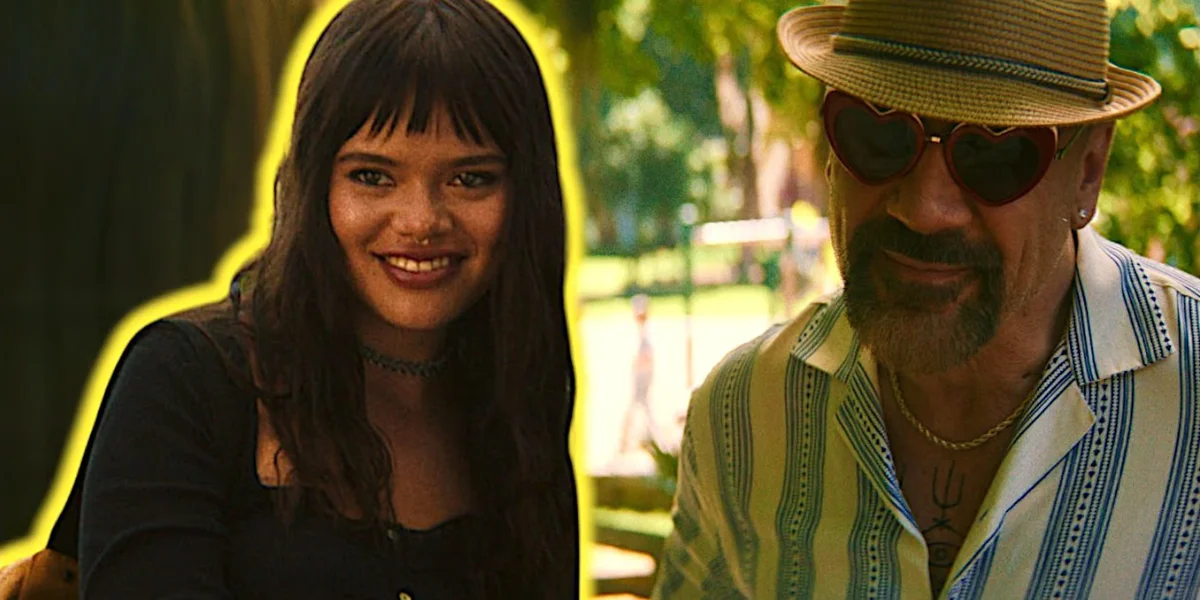
The episode picks up immediately after the discovery that Nevaeh, Cady’s accomplice, has been living inside the Bowden family home. Anna (Amy Adams) holds Nevaeh at gunpoint, but it’s Natalie (Lily Collias) who subdues the intruder with Mace—a symbolic moment suggesting she’s finally seeing her parents’ tormentor clearly. But clarity comes at a cost. Across the street, Zack (Joe Anders) has not only taken refuge with Cady but has been fully converted, declaring that Cady—not his real father Tom (Patrick Wilson)—is now his “dad.” The confrontation that follows—Tom beating Cady in the street as Zack stabs his own father—crystallizes the show’s central theme: inheritance as a curse.
This isn’t just another horror thriller; it’s a story about how the sins of parents poison their children. As one critic put it, when you’re “the product of misconduct, you can be indelibly poisoned by it.”
Why This Episode Matters: The Stakes Just Skyrocketed
The series, adapted from John D. MacDonald’s novel The Executioners and its classic film iterations, has always been about revenge. But this television version, executive produced by Steven Spielberg and Martin Scorsese and created by Nick Antosca, splits the traditional Sam Bowden character into two: Anna, Cady’s former defense attorney, and Tom, the prosecutor she married. This creates a more intimate, ethically tangled battlefield.
Episode 7 raises the stakes from legal drama to family warfare. Zack is hospitalized after being drugged with a megadose of motion sickness medicine found in Nevaeh’s hiding spot—a substance capable of inducing “permanent psychosis.” The doctor’s diagnosis confirms what viewers suspected: Cady has been systematically brainwashing the boy. Meanwhile, Natalie’s subplot adds another layer of psychological violence. After being sent away to stay with her biological father Paul, she confronts her mother Anna with a devastating question: “Am I basically the product of your misconduct, and you had to lie to me as you lied to everybody else?”
The question stems from the implication that Anna’s pregnancy during Cady’s trial may have been linked to a secret plea deal between the prosecution and the defense—an ethical horror that would mean Natalie is literally born of her mother’s professional betrayal. Paul’s weak admission—“I think you’re mine”—solves nothing. The paternity test remains a Pandora’s box no one dares open.
The Cast Teases a Shocking Finale
In interviews following the episode’s release, the cast has been unusually candid about what’s coming. Bardem describes Cady’s strategy as using the Bowden children to create chaos and destroy the family from within. Adams says Episode 7 marks Anna’s breaking point: she’s finally done doubting her instincts about Max. Wilson, meanwhile, teases that Tom will do “anything” to protect his family, hinting that moral lines will continue to blur.
The series has already shown its willingness to kill off major characters. Ray, the ex-con turned private investigator working for Anna’s firm, uncovers a lead about Cady’s mysterious sister Crystal (played by Juliette Lewis, a nod to the 1991 film), only to be shot and killed by Cady after discovering an unconscious Natalie in his car. With only three episodes remaining in this 10-part limited series, no one is safe.
Broader Implications: What This Changes for the Series and the Genre
Cape Fear*’s trajectory mirrors a broader trend in prestige television: the move away from slow-burn realism toward high-octane, emotionally unhinged storytelling. After a midseason that some critics found “agonizingly plodding,” the show has fully committed to being a “bonkers, operatic melodrama.” This isn’t a flaw—it’s an evolution. The series is betting that audiences, exhausted by grim, patient prestige dramas, are ready for something that leans into its own outrageousness. The score by Jeff Russo, described as “overpowering,” underlines this shift: every scene feels larger than life, every confrontation operatic.
A New Benchmark for Summer TV
The timing is significant. July 2026 has been a crowded month for entertainment news, with Major League Baseball drama (including the Yankees’ slump and the Red Sox’s surprising streak) and political controversy (like Kemi Badenoch’s net-zero purge and Tommy Robinson’s Moscow trip) competing for headlines. Yet Cape Fear has emerged as the water-cooler show of the summer, proving that a well-executed, star-driven thriller can still dominate the cultural conversation.
Apple TV+ has invested heavily in the series, and it’s paying off. The combination of Oscar-winning talent (Bardem, Adams, with Scorsese and Spielberg as EPs) and a story with deep cultural roots has created a rare event series. The show is also, perhaps inadvertently, sparking conversations about legal ethics, parental responsibility, and the limits of revenge—themes that feel urgent in an era of viral public shamings and fractured trust in institutions.
Looking Ahead: What to Expect in the Final Episodes
With Zack in psychiatric care, Natalie questioning her very identity, and Anna and Tom increasingly desperate, the stage is set for a finale that promises to be both shocking and cathartic. The series has redefined Cape Fear for a new generation, swapping 1991’s biblical themes of sin and redemption for a more modern anxiety: the fear that you can’t protect your children from the legacy of your own mistakes.
New episodes stream every Friday on Apple TV+. The finale is expected to push the Bowden family to its breaking point—and possibly beyond.
For fans of dark, twisty narratives, this series offers a masterclass in tension. And for those curious about other long-running franchises getting fresh takes, our look at David Tennant’s Doctor Who Legacy Revisited 20 Years After ‘Doomsday’ offers another example of beloved stories evolving for modern audiences.
Comments