
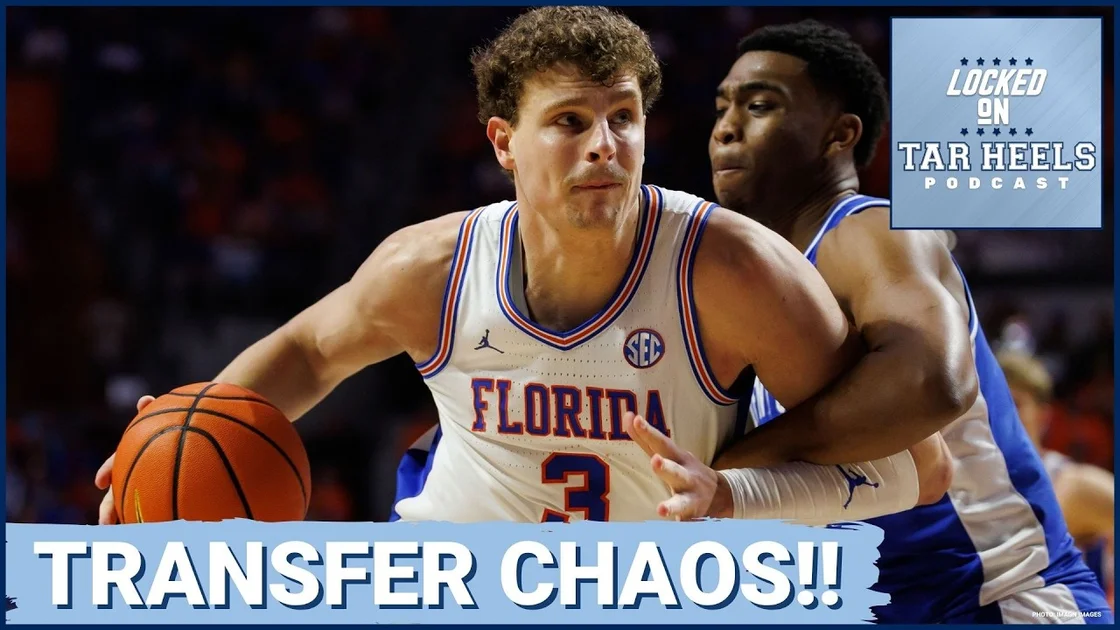
Cameron Fens Eligibility Ruling: UNC Center Cleared as NCAA Chaos Mounts
North Carolina's newest center, Cameron Fens, remains eligible to play for the Tar Heels this season despite a federal appeals court decision that has thrown the college basketball world into turmoil. The ruling, which temporarily blocks a nationwide injunction that had granted fifth-year eligibility to athletes from the Class of 2022, has left many high-profile transfers in limbo—but Fens, who joined UNC from South Dakota, is not among those affected.
According to multiple reports, Fens is protected by a separate state court injunction, meaning his eligibility status is secure. The news comes as a relief for first-year head coach Michael Malone, who is already navigating a dramatically reshaped roster. Meanwhile, former Tar Heel Seth Trimble, who transferred to Louisville, is currently ineligible after the Tenth Circuit's stay in the case of Wisne v. NCAA, leaving his collegiate future in doubt.
The decision, handed down on August 21, 2026, has created a patchwork of eligibility rules across the country, with some players allowed to compete and others barred, depending on which jurisdiction their case falls under. For UNC, the immediate focus is on Fens and the upcoming season, but the broader fallout is far from over.
The Ruling: What Happened and Who Is Affected
Judge Sweeney's nationwide injunction, issued earlier this year, had temporarily barred the NCAA from enforcing its eligibility rules against athletes who entered college in the 2022-23 academic year. That injunction allowed players who had exhausted their four years of eligibility to return for a fifth season, provided they had not signed a professional contract. The NCAA appealed, and on August 21, the Tenth Circuit granted a stay, effectively suspending the injunction while the appeal proceeds.
The immediate consequence: athletes from the Class of 2022 who were relying solely on that injunction are now ineligible, unless they are named in separate state lawsuits that have their own injunctions or temporary restraining orders. This has created a confusing and inequitable landscape, with some players suddenly barred from practice and competition just weeks before the season tips off.
Seth Trimble, who averaged 9.1 points per game for UNC last season and was a defensive standout, is among those currently ineligible. He had committed to Louisville after entering the transfer portal, but without a state-level injunction, he cannot suit up for the Cardinals until the NCAA appeal is resolved or a court intervenes. Similarly, other notable fifth-year transfers—including several who had committed to major programs—are now facing an uncertain status.
Cameron Fens, however, is not in that group. The 6-foot-11 center, who spent his senior season at South Dakota, is listed in a separate lawsuit in a different jurisdiction, which grants him preliminary protection. This means he can practice and play for the Tar Heels, at least for now. The exact nature of that lawsuit and its coverage has not been fully disclosed, but sources confirm Fens is cleared.
Why This Matters for UNC and the ACC
For North Carolina, the eligibility ruling has immediate implications for roster depth and team chemistry. Fens is expected to be a key rotation piece in the frontcourt, providing size and rebounding off the bench behind projected starter Sayon Keita. His presence gives Malone additional options in the paint, especially after the departure of Henri Veesaar to the NBA.
Malone, who took over the program after a distinguished NBA coaching career, is already facing a steep learning curve. The Tar Heels have the No. 8-ranked transfer portal class in the 247Sports composites, but the eligibility chaos adds another layer of uncertainty. "Our focus is on the players who are eligible and ready to compete," Malone said in a statement. "We're monitoring the situation closely, but we're preparing for the season with the guys we have."
At the same time, the saga of Seth Trimble is a reminder of how fragile roster construction has become in the new era of college athletics. Trimble, who spent four years in Chapel Hill, was a beloved figure among fans, and his exit to a conference rival was already a point of contention. Now, with his eligibility in doubt, some Tar Heel faithful are openly wondering if he will end up returning to UNC—a scenario that would be both ironic and advantageous for the program.
But the stakes extend far beyond one player or one team. The ruling has thrown the entire college basketball offseason into disarray, with coaches across the country scrambling to determine which of their recruits are actually cleared to play. The NCAA, meanwhile, is defending its eligibility rules in court, arguing that allowing players to return after testing the NBA waters would fundamentally alter the nature of college athletics.
The Broader Context: A Season of Legal Battles
This is not the first time the NCAA has been challenged over eligibility rules, and it likely won't be the last. The organization has been embroiled in a series of lawsuits over the past few years, ranging from name, image, and likeness (NIL) compensation to player movement and transfer restrictions. The Wisne case is just the latest in a string of legal battles that have eroded the NCAA's authority and created a wild west atmosphere in college sports.
The issue of fifth-year eligibility has become particularly contentious. Players who entered college in 2022 were affected by the COVID-19 pandemic, which granted an extra year of eligibility to athletes in 2020-21. Some of those players are now seeking a second extra year, arguing that the NCAA's rules are arbitrary and unfairly limit their careers. The courts have been divided on the issue, with some judges siding with the players and others with the NCAA.
The Supreme Court has yet to weigh in on the matter, but legal experts expect the case to eventually reach the high court. In the meantime, the uncertainty is taking a toll on players, coaches, and administrators alike. "This is an impossible situation for everyone involved," said one athletic director, who spoke on condition of anonymity. "We're making decisions about scholarships and playing time based on legal arguments that could change at any moment."
Perspective: A New Era of Uncertainty
The chaos surrounding eligibility is emblematic of a broader transformation in college athletics, where the traditional model of amateurism is being dismantled court by court, ruling by ruling. The NCAA, once the undisputed governing body of college sports, is now fighting for its very existence. Meanwhile, players are increasingly empowered to seek legal remedies for what they see as unfair restrictions on their careers.
For programs like North Carolina, this means adapting to a new reality where rosters are never truly set until the season begins—and sometimes not even then. Coaches must be prepared for players to become ineligible at a moment's notice, or for new players to be added just as quickly. Recruiting, roster management, and even game planning have become fluid, constantly evolving processes.
Cameron Fens, for now, is on the right side of the legal divide. But the same court that granted him eligibility could just as easily take it away on appeal. For the UNC center, the ruling is a temporary reprieve, but the underlying issue remains unresolved.
As the season approaches, all eyes will be on the Tenth Circuit and other courts to see how the eligibility saga unfolds. For now, Tar Heel fans can take some comfort in knowing that Fens will be in uniform on opening night against Western Carolina on November 2. Whether that remains true for the entire season is anyone's guess.
In the meantime, the broader college basketball community is left to navigate a landscape where the rules seem to change by the day. The only certainty is uncertainty, and that is a challenge everyone—from players to coaches to administrators—must face.
Comments