
TUC Calls for Bank Surcharge to Fund Social Tariff
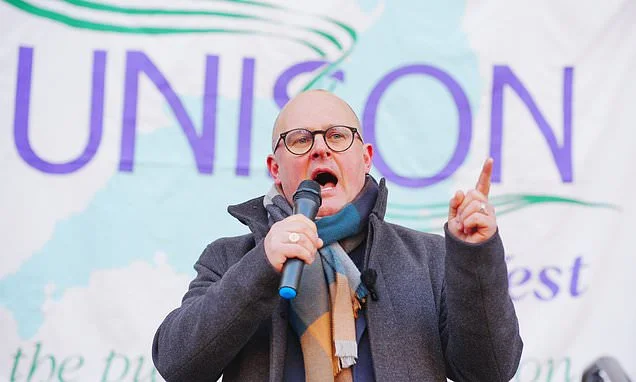
The leader of Britain's trade unions has directly appealed to Prime Minister Andy Burnham to introduce a "social tariff" on energy bills, funded by reversing a cut to the bank surcharge made by the previous Conservative government in 2023. In a wide-ranging BBC interview ahead of the TUC's annual congress in Brighton next week, general secretary Paul Nowak said the measure would help low and middle earners cope with rising energy costs this winter.
A social tariff is a discount on energy bills based on household income. The TUC estimates that two-thirds of households could benefit from such a scheme. The bank surcharge, which was reduced from 8% to 3% under the Conservatives, would be restored to its previous level under the union body's proposal—a move the TUC says would raise £9bn over four years.
"I think it will appeal to the prime minister," Nowak said. "These are policies that make a difference in the real world and people can see a value in them."
Burnham's Existing Energy Relief
Burnham, who became prime minister earlier this year, has already taken steps to address the cost of living. From October, his government will temporarily scrap VAT on electricity bills—a measure he has described as offering "breathing space" to households. However, the TUC argues that more structural support is needed, particularly as energy bills continue to fuel inflation.
"We need to drive down inflation – those energy bills are fuelling inflation," Nowak said. "And millions of families up and down the country are worried about turning on their heating this winter."
Ahead of next month's Budget, the TUC is pressing Burnham and new Chancellor John Healey to show that "the government is back in the service of the British people." Nowak's list of demands extends beyond energy: he also suggested a windfall tax on social media companies and equalising Capital Gains Tax with income tax rates, arguing the UK has "a tax system that's good at taxing income but not good at capturing wealth."
Banking Industry Pushes Back
The proposal to restore the bank surcharge has drawn immediate criticism from UK Finance, which represents major banks and lenders. The organisation warned that heavier levies would undermine the government's ambition to deliver "growth in every postcode" and damage the UK's international competitiveness. It pointed out that UK banks already face a heavier tax burden than those in the United States.
Nowak dismissed those concerns. "I can't believe banks would leave the UK just because we are restoring the surcharge to where it was in 2023," he said. "Bank share prices have risen faster here than in New York."
The exchange highlights a broader debate within Labour about how to fund public support programmes while maintaining fiscal credibility. The Liberal Democrats and the Greens in England and Wales have also called for a windfall tax on banks, suggesting potential cross-party pressure on Burnham to adopt a more aggressive stance.
Political Balancing Act
The TUC's intervention comes as Burnham faces competing demands on the public purse. At Prime Minister's Questions on 9 September, Conservative leader Kemi Badenoch pressed him on whether he would commit to spending 3% of GDP on defence by 2030 and how he would pay for it. Burnham reiterated that national security "can't come at the expense of social security," and said he would fund defence and reduce the welfare bill "in the Labour way" by improving education, supporting young people, and expanding mental health services.
A Conservative spokesperson accused Burnham of prioritising "the ballooning benefits bill over our national security," while Burnham's team stressed that getting the welfare bill down did not mean "crude cuts" that could push people into homelessness. The PM has said he will set a target date for hitting the 3% defence figure in the spring spending review, but Badenoch criticised the 2035 Nato target as "a decade away" when "the threats are now."
For a prime minister who has made cost-of-living relief a central plank of his early administration, the TUC's proposals offer both an opportunity and a challenge. Backing a bank-funded social tariff could shore up Labour's support among working-class voters and trade unions, but it risks alienating the financial sector at a time when the government is eager to project an image of economic competence.
Climate and Energy Strategy Under Scrutiny
Burnham's energy policy is also under fire from environmentalists. In a Guardian column published on 10 September, George Monbiot criticised the government's impending decision to approve further oil and gas drilling in the North Sea, including the Jackdaw gasfield and the Rosebank oilfield. Monbiot argued that the move would bring "more pain for negligible gains," noting that Jackdaw would generate just 27 direct full-time jobs and that any oil from Rosebank is unlikely to be refined in Britain.
"The gas in the Jackdaw field will make a tiny contribution to our supply and no significant difference to either our energy bills or our energy security," Monbiot wrote. He contrasted the negligible employment benefits of new fossil fuel extraction with the UK's net zero economy, which directly employs 300,000 people, with a further 400,000 jobs planned.
Burnham has defended the drilling plans cryptically, saying only: "There is a resource there. When people are struggling, we can't ignore that." The decision has angered climate campaigners, who argue that expanding fossil fuel production undermines the government's environmental commitments and does little to lower household bills. The prime minister has not clarified whether he believes the drilling will meaningfully reduce energy costs, and his critics suggest it may be an attempt to appease either the Trump administration or Reform UK.
Assisted Dying Defeat Signals Shifting Priorities
The political landscape in which Burnham operates was further illustrated this week by the failure of the assisted dying bill for England and Wales. The legislation, which had been subject to two years of impassioned debate, was defeated on a knife edge. While campaigners on both sides blamed various procedural and ethical factors, analysts noted that many MPs withdrew support when it became clear the bill was not a priority for Burnham's government.
Burnham, who as Greater Manchester mayor had indicated he would likely vote in favour of the initial private member's bill, changed his position in July, saying he now believed the bigger issue was improving end-of-life support. The shift was a blow to pro-campaigners and signalled that the new prime minister is focused on a narrower set of policy goals—foremost among them, economic support for households.
The assisted dying bill's failure also underscored the bitter divisions it caused within Labour, with some advisers believing it diverted attention from pressing issues like the cost of living and healthcare. As Burnham prepares for his first Budget, he will be keen to avoid similar distractions and to present a coherent plan for helping families with energy costs.
What Happens Next
The TUC's proposal for a social tariff will be a key test of Burnham's willingness to confront powerful business interests in pursuit of his cost-of-living agenda. With the Budget approaching, the prime minister must decide whether to back the bank surcharge, explore alternative funding mechanisms, or rely solely on the temporary VAT cut already announced.
The energy bill debate is also likely to be influenced by the ongoing controversy over North Sea drilling, which has split environmental and economic factions within Labour. As winter approaches and households brace for higher heating costs, the pressure on Burnham to deliver tangible relief will only intensify. Whether he opts for a bold, redistributive measure like the social tariff or a more cautious approach will define his premiership's early economic legacy.
Comments