
Buc-ee's CEO Signals Strategic Shift Toward Conservative States for Expansion
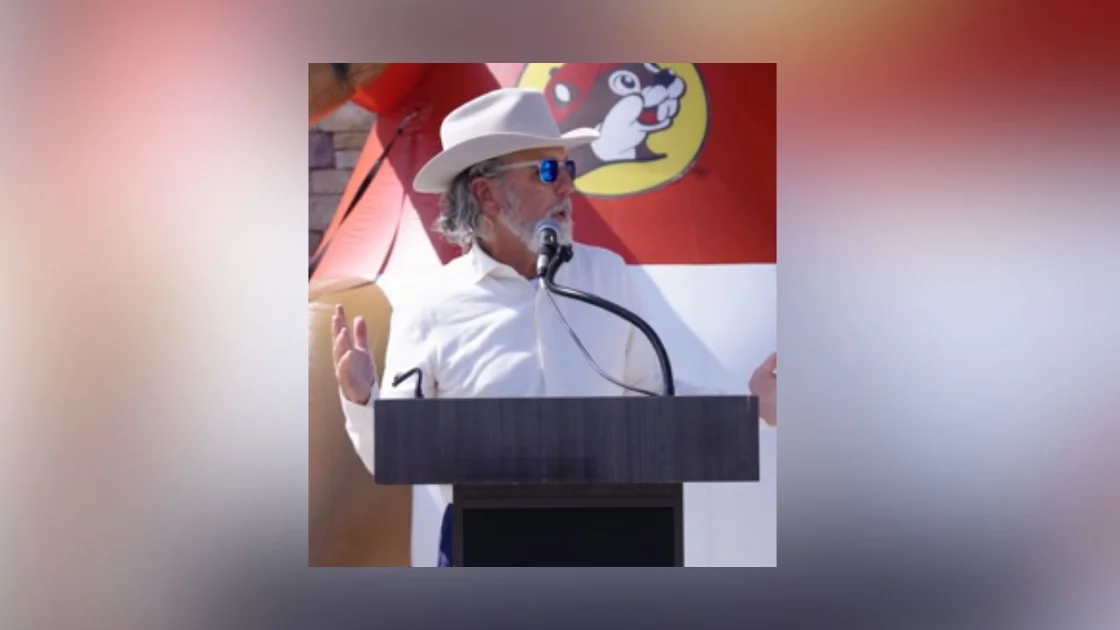
Buc-ee's, the Texas-based travel center chain known for its cavernous stores, spotless restrooms, and cult-like following, is recalibrating its expansion map. At the grand opening of its newest location in Benton, Arkansas, on August 17, co-founder and CEO Arch "Beaver" Aplin III made it clear that the company's future growth will prioritize conservative, business-friendly states. His comments, captured on video and widely shared on social media, have ignited a conversation about corporate location strategy and political alignment.
Aplin's remarks came during a celebratory event attended by Arkansas Governor Sarah Huckabee Sanders and Senator Tom Cotton. Standing before a crowd of eager customers, Aplin explained that while Buc-ee's has opportunities across the country, the company is increasingly drawn to states whose leadership and policies align with its values. "When you find a conservative, business-friendly state with a phenomenal workforce, it makes a difference," Aplin said. He added, "I'm starting to realize life's too short to try to build in places that people don't appreciate what you're bringing, versus a place like this where people do appreciate what you're building."
This candid statement marks a notable departure from the typically apolitical tone of corporate expansion announcements. Aplin explicitly praised the "conservative, business-friendly, family-oriented concept" that he says works best when it "trickles down from the very top at the governor's office, at the congressman, at the senator, at the mayor, the representatives." For a company with a massive, family-oriented brand, this public embrace of a political stance could reshape perceptions and expectations.
Expanding Footprint: Where Buc-ee's Is Going Next
Buc-ee's currently operates 58 locations across 13 states, with a significant concentration in the South and Sun Belt. The company has added first-ever locations in Ohio and Arizona this year, and recently debuted in Virginia in 2025 and Colorado in 2024. Future openings are planned for Louisiana, Kansas, and Wisconsin by the end of 2027, with additional sites slated for Tennessee, Florida, Georgia, and Texas in 2028. The Benton, Arkansas, store is the first in that state, and the company has announced plans for a location in Murfreesboro, Tennessee, opening November 16.
While the chain has successfully entered a mix of states, Aplin's recent comments suggest that future site selection will weigh political and regulatory environments more heavily. "We have a lot of opportunities. We're growing. We're building in a lot of places," he said, but his emphasis on "conservative, business-friendly" states signals a deliberate strategy. Of the 13 states where Buc-ee's operates, only Colorado is considered solidly blue, a fact that Aplin's critics and supporters alike have noted.
The Political and Economic Context: Corporate Fleeing Blue States?
Aplin's statement did not occur in a vacuum. It comes amid a broader narrative of businesses relocating from high-tax, heavily regulated blue states to more business-friendly red states. Governor Sanders seized on the moment, posting on social media: "Businesses are fleeing blue states" and celebrating Arkansas's role as a welcoming destination. Her post amplified Aplin's comments, framing them as a validation of conservative governance.
This trend is not limited to Buc-ee's. Numerous corporations, including Tesla, Oracle, and Hewlett Packard Enterprise, have moved their headquarters from California to Texas in recent years, citing costs and regulatory burdens. However, Buc-ee's case is unique because it is a consumer-facing brand with a beloved, family-friendly image. Aplin's willingness to publicly tie expansion strategy to political ideology could influence how other companies approach site selection, potentially accelerating the red-state advantage.
What Makes a State "Business-Friendly"?
Aplin's definition of a business-friendly state includes "a phenomenal workforce," supportive local leadership, and a regulatory climate that eases construction and permitting. In Benton, he praised the town's cooperative attitude: "They said, 'Let's roll up our sleeves and let's go get a Buc-ee's built.'" This contrasts with experiences in other states, which Aplin described as not appreciating the value Buc-ee's brings. While he did not name specific blue states, his critique aligns with common business complaints about high taxes, complex regulations, and slower approval processes.
The Broader Implications: A New Corporate Playbook?
Buc-ee's is not a typical Fortune 500 company; it is a privately held, immensely popular chain with a loyal customer base. Its expansion decisions are watched closely, and its CEO's statements carry weight. By explicitly favoring conservative states, Aplin is sending a message to investors, customers, and politicians: Buc-ee's will go where it is welcomed and where its business model can thrive. This could set a precedent for other retail and service chains, particularly those with strong regional identities.
Economists note that while political alignment may factor into executive decisions, the primary drivers remain economic: tax rates, labor availability, infrastructure, and market demographics. Red states often offer lower taxes and fewer regulations, but they may also have lower population densities and purchasing power. Buc-ee's success in states like Colorado suggests the chain can thrive in blue states too, but Aplin's comments suggest that intangible factors—such as perceived appreciation—now play a role.
Industry Reactions and Legal Considerations
Legal experts point out that companies are free to choose where to expand, but making political preferences explicit can invite scrutiny. Buc-ee's has faced trademark lawsuits as it expands, and a politically charged expansion strategy could attract consumer boycotts or praise. However, Aplin's comments likely resonate with a significant portion of Buc-ee's customer base, which skews toward conservative, rural, and Southern demographics.
The company's planned locations in Wisconsin and Kansas—both swing states—will test whether Buc-ee's can balance political messaging with market opportunities. Wisconsin, with its Democratic governor, and Kansas, with a divided legislature, may not fit Aplin's "conservative, business-friendly" mold, but consumer demand and revenue potential could override ideological preferences.
What This Changes: Sending a Signal to Other States
Aplin's comments are a clear signal to state and local governments: if you want a Buc-ee's, make your business climate welcoming. The company's choice of Benton, Arkansas, was no accident; it was a result of proactive outreach by state and local officials. Aplin's praise for Arkansas's leadership, from the governor down, underscores the importance of political alignment in his decision-making.
For blue states, this represents a competitive disadvantage. They may miss out on the jobs, tax revenue, and tourism that Buc-ee's generates. Each location employs hundreds of workers and attracts millions of visitors. States like California, New York, and Illinois, which have faced criticism for their business environments, may find it harder to land such flagship retailers.
The Consumer Perspective
For consumers, Buc-ee's expansion strategy means that access to its famous Beaver Nuggets, brisket sandwiches, and spotless bathrooms may depend on where they live. Residents of red states can expect more locations, while those in blue states may have to travel farther. The company's existing locations in Colorado, a blue state, will continue to operate, but future growth may bypass similar states.
The political dimension of Buc-ee's strategy has also made it a cultural touchstone. Social media reactions have ranged from cheers to calls for boycotts, reflecting the polarized climate. Yet, for many customers, the decision will come down to convenience and quality, not politics.
A Trend That Could Redraw the Map
The Buc-ee's expansion story is more than a single company's decision; it reflects a broader shift in corporate America. As companies weigh their options, they are increasingly vocal about their preferences. Aplin's candid comments may embolden other executives to speak out, potentially accelerating the movement of businesses to conservative states. This could reshape regional economies, affecting everything from employment to tax bases.
However, it is not a one-way street. Blue states are fighting back with incentives and investments, and not all companies want to align with any political camp. The risk of alienating customers is real. Buc-ee's, with its strong brand and loyal following, may weather the controversy, but smaller companies might not.
The Bottom Line
Buc-ee's is not abandoning expansion entirely; it is simply becoming more selective. Aplin's "life's too short" philosophy suggests he is prioritizing quality of life for his company and employees over expanding at any cost. This approach may lead to slower, but more profitable, growth. The chain's next moves—particularly in Wisconsin and Kansas—will be telling. If Buc-ee's enters those states despite less conservative leadership, it would indicate that market demand still overrides political preference.
As Buc-ee's continues to expand, its choices will be watched as a barometer of corporate sentiment. The company's success in the South has made it an icon, and now it is using that platform to make a statement. Whether that statement is a one-off or a trend remains to be seen, but for now, Buc-ee's is unapologetically betting on red states.
For those following the story, the implications go beyond gas stations. It is about where business goes, why it goes there, and what it says about American politics. In an era of intense partisanship, even a beaver mascot cannot escape the culture wars.
As the travel center chain rolls out new locations, it remains a testament to the power of business to choose its path. And if Aplin's words are any indication, that path leads to where the welcome mat is out—and where the politics align.
Comments