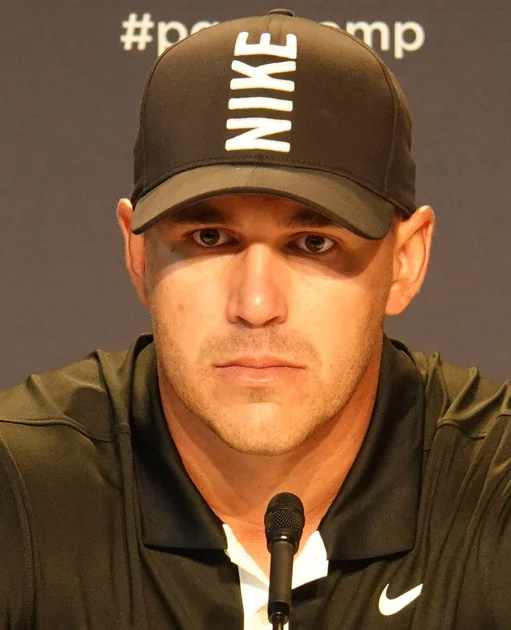
Brooks Koepka Returns to Augusta With a Point to Prove
As the 2026 Masters Tournament gets underway at Augusta National Golf Club, few names carry as much weight — or as much controversy — as Brooks Koepka. The five-time major champion arrived in Georgia this week as one of the most closely watched players in the field, drawing attention not just for his championship pedigree but for what his performance here could mean for his legacy, his standing in the fractured world of professional golf, and the ongoing conversation surrounding LIV Golf's relationship with the sport's most prestigious events.
Koepka, 35, made the cut and is positioning himself as a serious contender through the early rounds, reminding a global television audience why he has long been considered one of the game's premier big-game players. His ball-striking has been characteristically precise, and his demeanor on the course — calm to the point of unnerving — remains one of his most recognizable traits.
Early Rounds: What the Scorecard Says
Through the opening days of competition at Augusta, Koepka has been among the more consistent performers in a field that includes Scottie Scheffler, Rory McIlroy, and a host of international contenders. While specific round-by-round scores continue to evolve as the tournament progresses, observers have noted that Koepka appears physically sharp and mentally locked in — two factors that have historically defined his major performances. His approach to Augusta's demanding back nine in particular has drawn praise from analysts and former champions providing commentary coverage.
The LIV Golf Shadow Over Augusta
Koepka's presence at the Masters is inseparable from the broader context of professional golf's ongoing civil war. Since joining LIV Golf in 2022, the former world number one has remained eligible for major championships, but his status as a defector from the PGA Tour has colored nearly every public appearance he makes on a traditional stage. Augusta National, which has maintained its independence from both the PGA Tour and LIV Golf's political battles, continues to invite players based on historical criteria — a policy that has kept Koepka and other LIV stars in the Masters field while they remain banned or restricted from many other Tour events.
The stakes this week are significant. A Masters title in 2026 would make Koepka a six-time major champion, placing him in elite historical company and strengthening arguments that his move to LIV Golf has not diminished his ability to compete at the absolute highest level. Conversely, a disappointing finish would feed a counter-narrative that has followed him since leaving the PGA Tour — that the reduced competitive schedule and different format of LIV events has softened his game when it matters most.
Augusta's Role as a Neutral Stage
It is worth noting that Augusta National itself has become something of a neutral diplomatic zone in golf's broader conflict. As reported earlier this week, the club has not been shy about managing player relationships on its own terms — Augusta National's Special Request to Jason Day generated significant discussion around how the club asserts its unique authority during Masters week. That institutional independence is precisely what allows figures like Koepka to compete here without the political baggage that follows them elsewhere.
What a Koepka Contention Means for Golf's Bigger Picture
Brooks Koepka performing on a Sunday at Augusta would do more than settle personal score-settling narratives. It would reignite one of the most consequential debates in modern sports: whether elite athletes can maintain peak performance within an alternative competitive structure, and whether traditional institutions retain their relevance when judging greatness.
The comparison to other athletes who have made unconventional career pivots and faced skepticism is instructive. Much like Lindsey Vonn's return to competitive skiing at 40 challenged assumptions about age and competitive viability, Koepka's continued presence among the Masters elite challenges assumptions about what LIV Golf does or does not do to a player's competitive edge.
For the millions watching globally, the 2026 Masters is unfolding as more than a golf tournament. It is a referendum on the sport's soul — and Brooks Koepka, whether he wins or falls short on Sunday, remains one of its most defining and divisive characters. His performance this week will be dissected not just by golf fans but by anyone paying attention to how professional sports navigate the tension between tradition, money, and the athletes who force institutions to adapt.
Comments