
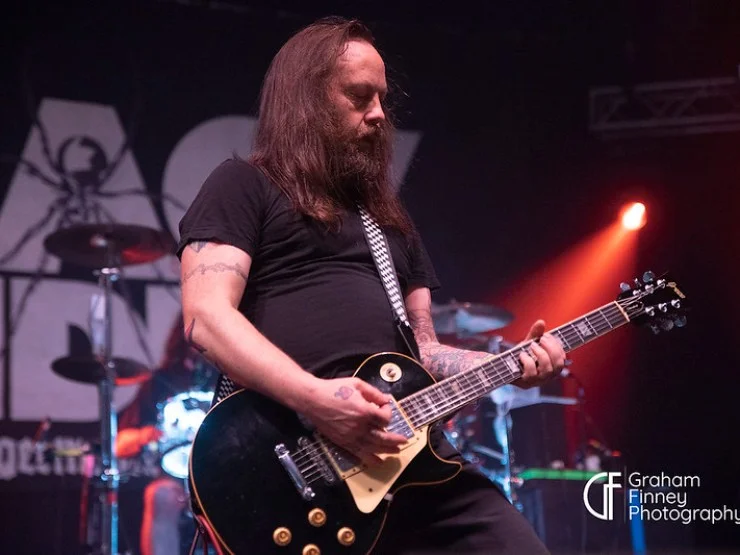
Bloodstock Open Air 2026 Kicks Off with Saxon and a Historic Main Stage Debut
Bloodstock Open Air 2026 officially got underway on Thursday, August 6, at Catton Park in Derbyshire, marking the festival's 25th anniversary with a significant change: the main arena and the Ronnie James Dio stage opened a day earlier than in previous years. The opening day delivered a condensed but potent lineup, closing with British heavy metal legends Saxon, who fittingly headlined the very festival they helped launch a quarter of a century ago in Stoke.
Despite the reduced schedule, Thursday set a celebratory tone. German act Heavysaurus, a dinosaur-themed metal band aimed at families, delivered a playful early set that embraced Bloodstock's reputation as a family-friendly event. Later, Canadian technical death metal outfit Cryptopsy headlined the Sophie Lancaster Stage, performing their 1996 album None So Vile in full to mark its 30th anniversary. The festival continues through Sunday, August 9, with Judas Priest confirmed to close the weekend.
Judas Priest to Headline Sunday's Closing Night
Judas Priest, the Birmingham-born heavy metal pioneers, will headline the Ronnie James Dio Stage on Sunday, August 9, as the final act of Bloodstock 2026. The band, currently on their Faithkeepers tour, will be preceded by Body Count, fronted by Ice-T. Sunday's lineup also includes Black Label Society, Testament, Orbit Culture, Kittie, Castle Rat, Graphic Nature, and Bootyard Bandits.
With full-weekend and individual Sunday tickets already sold out, demand for the closing day is exceptionally high. Judas Priest's set is expected to span their extensive catalog, from their 1970s classics to material from their 2024 album Invincible Shield, which peaked at number two on the U.K. charts. The band's recent achievements, including a 2022 Rock & Roll Hall of Fame induction and a 2025 GRAMMY nomination for the single "Crown of Horns," underscore their lasting influence on heavy metal.
A Quarter-Century of Heavy Metal: Festival's Evolution and Impact
Bloodstock's 25th anniversary is more than a milestone; it reflects the festival's growth from a niche gathering into one of Europe's premier heavy metal events. The decision to open the main arena on Thursday represents a strategic expansion, allowing more bands to perform over four days. This year's lineup balances legendary acts like Judas Priest and Saxon with newer extreme metal bands, ensuring a broad appeal across generations of metal fans.
The festival has also cemented itself as a vital platform for emerging talent. Danish death metal band Neckbreakker, formed in 2020, have quickly risen through the ranks and are performing this year, sharing stages with established names. Similarly, Biohazard's return for their third Bloodstock appearance highlights the festival's ability to book enduring acts while also showcasing the genre's future. The inclusion of family-friendly performances like Heavysaurus further reinforces Bloodstock's commitment to being an inclusive event, a tradition that has helped it stand out in the crowded festival landscape.
Broader Trends: Metal Festivals and the Genre's Global Resurgence
The success of Bloodstock 2026, with sold-out weekend tickets, reflects a broader resurgence of live heavy metal. The genre, once relegated to underground scenes, now commands significant mainstream attention, as evidenced by Judas Priest's GRAMMY recognition and their headlining slot. Festivals like Bloodstock are increasingly vital to the metal ecosystem, providing a space for both legacy acts and emerging artists to connect with dedicated audiences.
Moreover, the festival's location in the U.K. and its diverse lineup underscore the global nature of heavy metal. While Bloodstock remains distinctively British, its booking strategy draws from international scenes, from Canadian tech-death to Danish modern metal. This cross-pollination not only enriches the festival experience but also signals a healthy, evolving genre. For fans, the weekend at Catton Park is more than a series of concerts; it is a communal celebration of a genre that continues to adapt and endure, even as its pioneers approach half a century of performing.
Comments