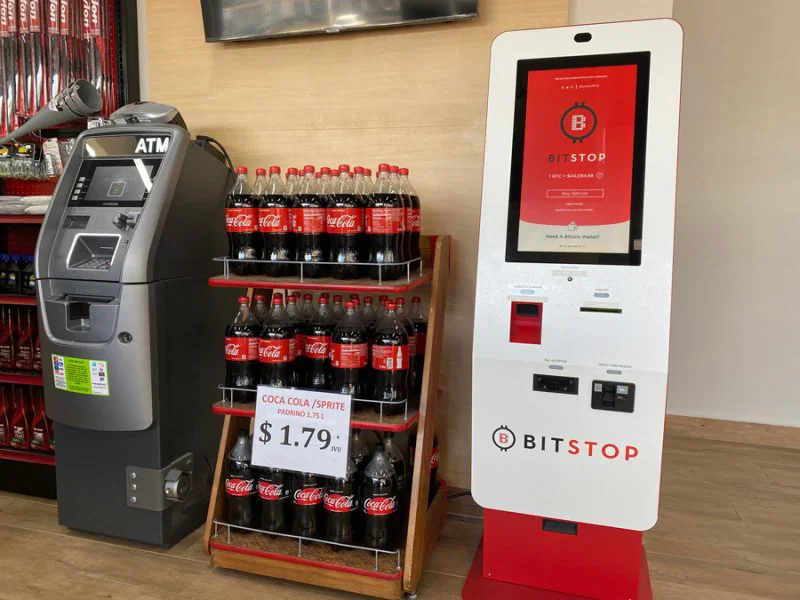
A Wave of Fraud Puts Bitcoin ATMs Under the Spotlight
Bitcoin ATMs — the physical kiosks that allow users to buy or sell cryptocurrency with cash — are facing unprecedented scrutiny in the United States as fraud cases tied to these machines continue to escalate. Federal and state authorities have ramped up enforcement actions in recent weeks, signaling a decisive shift in how regulators view the rapidly expanding bitcoin ATM industry.
According to the Federal Trade Commission (FTC), consumers lost more than $110 million to bitcoin ATM scams in 2023 alone — a figure that represents a tenfold increase compared to 2020. Preliminary data for 2024 and early 2025 suggests the trend has not reversed. The typical scam involves fraudsters posing as government officials, utility companies, or tech support agents, pressuring victims — often elderly — into depositing cash at a nearby kiosk and sending the funds to an unknown wallet address.
Key Numbers Behind the Crisis
The United States is home to more than 31,000 bitcoin ATMs, accounting for roughly 80% of all such machines worldwide, according to data from CoinATMRadar. Operators charge fees that typically range between 10% and 20% per transaction, making the business highly lucrative. But this proliferation has also created an ecosystem that bad actors have proven adept at exploiting.
Why Regulators Are Acting Now
The current wave of regulatory attention did not emerge overnight. For years, consumer advocacy groups and law enforcement agencies have warned that bitcoin ATMs operate in a compliance gray zone — often subject to anti-money laundering (AML) rules in theory, but inconsistently enforced in practice.
In 2024, the Financial Crimes Enforcement Network (FinCEN) issued updated guidance reminding bitcoin ATM operators of their obligations as money services businesses (MSBs), including Know Your Customer (KYC) requirements and suspicious activity reporting. Several states — including California, Vermont, and Ohio — have since moved to introduce or tighten their own legislation capping transaction limits and mandating clearer consumer disclosures on kiosk screens.
In early 2025, the Department of Justice announced indictments against multiple individuals accused of operating unlicensed bitcoin ATM networks that allegedly processed millions of dollars in illicit funds. These cases are now being closely watched as potential precedents for how federal law applies to crypto kiosk operators.
The Operator Landscape Under Pressure
The industry's largest players — including Bitcoin Depot, Coinstar's crypto arm, and Coinhub — have publicly committed to enhanced compliance frameworks. Bitcoin Depot, which is publicly traded and operates thousands of machines across North America, has faced investor scrutiny over rising regulatory costs. Its stock has reflected uncertainty in recent months, as compliance overheads eat into margins. This kind of market pressure mirrors broader dynamics seen across the tech and finance sectors, where regulatory headwinds are reshaping valuations — a pattern also visible in how Apple Stock Price Under Pressure: Tariff Fears, AI Ambitions, and a Pivotal Moment for AAPL Investors has navigated its own turbulent period.
Smaller, independent operators — who account for a significant share of the total machine count — remain a more complex enforcement challenge. Many lack the compliance infrastructure of larger firms and are disproportionately linked to fraud complaints.
What This Means for the Future of Crypto Access
The crackdown on bitcoin ATMs raises a broader question about the role these machines play in financial inclusion. Proponents argue that crypto kiosks serve unbanked and underbanked communities who lack easy access to traditional financial services. For many users, a bitcoin ATM is a faster, more accessible entry point into digital assets than opening a brokerage account or using an exchange app.
Critics, however, contend that the disproportionate harm being done to vulnerable populations — particularly seniors — far outweighs the accessibility benefits in the current regulatory environment. The FTC has noted that adults over 60 are significantly more likely to report losses through bitcoin ATMs than any other age group.
The outcome of ongoing legislative efforts will likely define the sector's trajectory. If stricter transaction caps and identity verification mandates are broadly adopted, the bitcoin ATM industry could face a structural consolidation — with only well-capitalized, compliance-ready operators surviving. Alternatively, a patchwork of inconsistent state rules could continue to leave enforcement gaps that fraudsters exploit.
What is clear is that the era of largely unregulated crypto kiosk expansion in the United States is coming to an end. As federal and state authorities coordinate more closely, the bitcoin ATM industry faces a pivotal moment — one that will test whether it can mature into a legitimate financial services channel or remain defined by the fraud headlines that have come to dominate its public image.
Comments