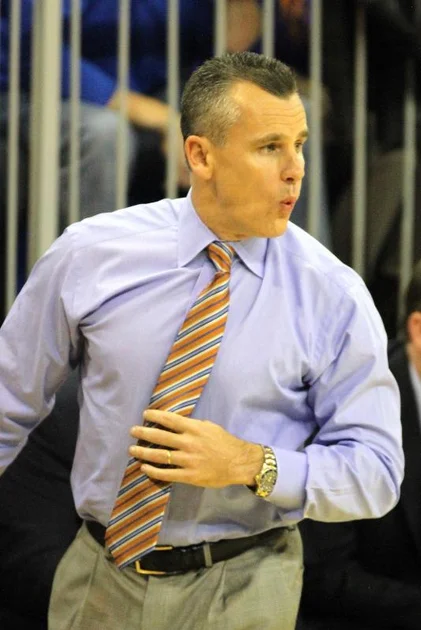
Bulls Pull the Plug on Billy Donovan After Five Seasons
The Chicago Bulls have officially parted ways with head coach Billy Donovan, ending a tenure that spanned five seasons and never quite delivered on the promise of a franchise returning to relevance. The organization announced the move following the conclusion of the 2024–25 NBA regular season, confirming what many league observers had anticipated after yet another disappointing campaign in which Chicago failed to secure a playoff berth.
Donovan finishes his Bulls tenure with a regular-season record that hovered around mediocrity, never advancing past the first round of the playoffs during his time on the sideline. The 59-year-old coach, who previously led the Oklahoma City Thunder for five seasons, arrived in Chicago in 2020 with significant expectations and a reputation as one of the more respected tactical minds in the league. However, a combination of roster inconsistency, front-office turbulence, and an inability to develop younger talent into consistent contributors ultimately sealed his fate.
The Numbers That Defined His Tenure
Over five seasons with Chicago, Donovan compiled a record that kept the Bulls competitive enough to generate interest but rarely enough to inspire genuine playoff contention. The team made the postseason in 2021–22, finishing with 46 wins and generating real excitement around DeMar DeRozan and Zach LaVine, but first-round exits became a familiar endpoint. In more recent seasons, the Bulls regressed significantly, missing the playoffs entirely and sparking growing frustration among fans and ownership alike.
Why This Moment Matters for the Bulls Franchise
This coaching change signals something larger than a simple personnel decision — it marks a genuine inflection point for a franchise that has been caught in an identity crisis for years. The Bulls are neither rebuilding nor truly contending, an uncomfortable middle ground that has defined much of the post-championship era in Chicago.
Ownership and team president Artūras Karnišovas now face a critical offseason in which the coaching hire will send a clear message about the organization's direction. Do the Bulls commit to a retool around their veteran core, or does this dismissal open the door to a more aggressive rebuild centered on youth and draft capital? The answer, in part, will depend on who they bring in to replace Donovan.
The Roster Questions That Won't Go Away
Billy Donovan's exit doesn't resolve the deeper issues surrounding the Bulls' roster construction. Zach LaVine's future remains one of the most discussed questions in NBA circles — his health, his contract, and his fit with any new coaching philosophy are all variables that the front office must address. Meanwhile, the team's supporting cast has lacked the depth and consistency required to compete in an increasingly loaded Eastern Conference, where teams like the Cleveland Cavaliers, Boston Celtics, and New York Knicks have raised the bar considerably.
For context, the broader NBA coaching landscape is shifting rapidly. Several franchises are simultaneously searching for new leadership, making this an unusually competitive cycle for available talent. That dynamic could influence which candidates Chicago is realistically able to attract — and at what cost. Fans of the Timberwolves vs Mavericks rivalry know all too well how coaching decisions can reshape a franchise's competitive trajectory almost overnight.
A Broader Shift in How the NBA Views Coaching Tenures
The dismissal of Billy Donovan reflects a wider trend across professional basketball: patience with experienced, well-regarded coaches is shrinking, particularly when results plateau. Even coaches with strong reputations and proven track records are finding that sustained mediocrity — regardless of circumstances — accelerates front-office timelines for change.
Donovan, who won back-to-back national championships at the University of Florida before transitioning to the NBA, is unlikely to remain unemployed for long. His credentials are unimpeachable, and multiple franchises in transition will likely view him as an attractive option capable of providing both stability and credibility. His experience managing star players and navigating front-office dynamics makes him a commodity in a league where proven NBA head coaches are genuinely scarce.
For the Bulls, however, the priority now is clarity. The franchise needs a coherent vision, a defined timeline, and a coaching hire that aligns with both. Whether that means a seasoned veteran or a rising assistant with fresh ideas, the decision will define Chicago basketball for years to come. The Donovan era is over — what comes next is the question that matters most.
Comments