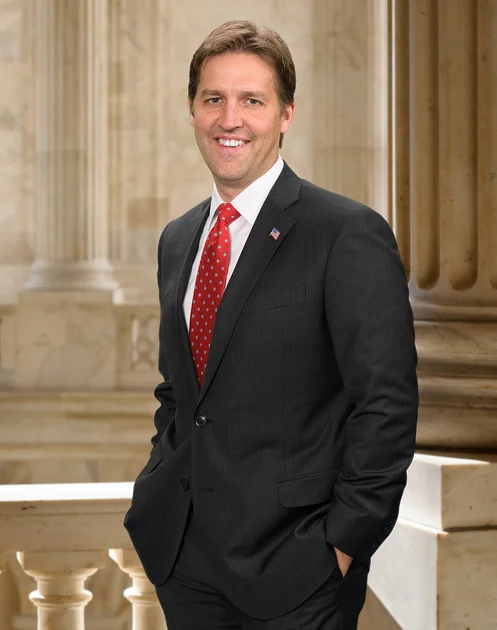
Ben Sasse Steps Down from the University of Florida Presidency
Ben Sasse, the former Republican U.S. Senator from Nebraska who took over as president of the University of Florida in February 2023, has resigned from the role after a tenure marked by controversy, administrative turbulence, and mounting criticism from faculty and staff. His departure ends a relatively brief but closely watched experiment in placing a prominent political figure at the helm of one of the United States' largest public research universities.
Sasse submitted his resignation to the University of Florida Board of Trustees, which accepted it. The announcement drew immediate attention across higher education circles, where his appointment had already been divisive. His exit raises fresh questions about the intersection of politics and academic leadership at flagship state institutions.
Key Facts About His Departure
Sasse had been serving under a contract that made him one of the highest-paid public university presidents in the country, with a compensation package reported in excess of $1 million annually. His resignation comes before the completion of his initial term, and the university has indicated it will begin a search for an interim leader. No detailed explanation was provided publicly regarding the precise timing of the decision, though sources close to the situation have pointed to ongoing friction with university stakeholders.
Why Sasse's Presidency Was Contentious from the Start
When Ben Sasse was nominated to lead the University of Florida in late 2022, the appointment immediately drew scrutiny. Faculty senates voted against his selection, citing concerns about his lack of experience in academic administration and his political background. Critics questioned whether a sitting U.S. senator with strong ideological positions was the right fit for a university community that prized academic independence.
Sasse had served in the Senate since 2015 and was known nationally as a Republican willing to publicly criticize Donald Trump — a position that earned him both admiration and hostility within his own party. He resigned his Senate seat to take the Florida position, framing the move as a commitment to the next generation of American education.
Faculty Opposition and Governance Concerns
The friction did not ease after Sasse assumed office. Faculty governance bodies at the University of Florida continued to express concerns about transparency in decision-making, administrative restructuring, and the university's direction under his leadership. Reports emerged of low morale among academic staff and questions about whether the institution's research mission was being adequately prioritized. In a broader climate where higher education is under intense political scrutiny — particularly in Florida, where Governor Ron DeSantis has pushed aggressive legislation targeting university curricula and diversity programs — the leadership of the state's flagship institution carried outsized significance.
The environment in Florida's public university system has been turbulent in recent years, with debates over academic freedom, faculty tenure, and the role of the state in shaping educational content intensifying. Sasse's position placed him squarely at the center of those tensions, expected to satisfy both a politically engaged board of trustees and a faculty community wary of political interference.
What Sasse's Exit Signals for Higher Education
The resignation of Ben Sasse is likely to reopen a national conversation about whether political figures — even well-credentialed and intellectually serious ones — are suited to lead complex academic institutions. University presidencies require deep familiarity with faculty governance, accreditation standards, research funding ecosystems, and the delicate culture of academic communities. Critics of Sasse's appointment argued from the outset that his profile, however impressive in a legislative context, did not translate to those demands.
His departure also highlights a broader stress point in American higher education: the growing influence of politically appointed or politically aligned boards of trustees over institutions that have traditionally operated with significant internal autonomy. As state legislatures across the country increase their involvement in university governance, the tension between political oversight and academic independence is becoming a defining issue for the sector.
For the University of Florida, the immediate challenge is stabilizing leadership and rebuilding trust with a faculty that felt marginalized throughout Sasse's presidency. The institution's reputation as a top-tier research university — and its ability to attract faculty talent and research funding — may depend on how credibly it navigates the transition.
The story of Ben Sasse at the University of Florida is, in many ways, a case study in the risks of importing political capital into an environment where a different kind of credibility is required. Whether the next president will be drawn from within academia or again from public life will itself be a signal of which lessons the board of trustees has drawn from the experience.
Comments