
Banana Ball Takes Over Cincinnati as Clowns Revival Brings Negro Leagues History to New Generation
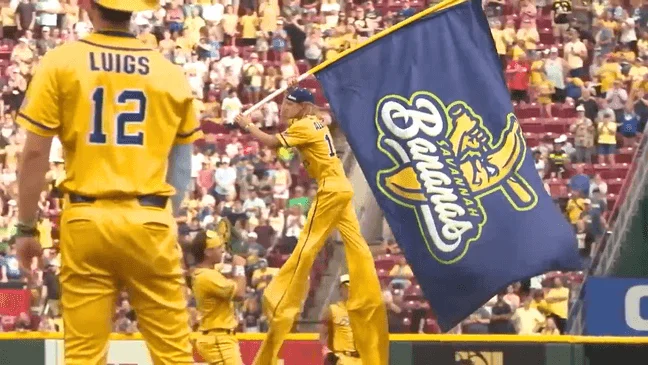
CINCINNATI — Banana Ball, the wildly popular, entertainment-first reimagining of baseball, has taken over Great American Ball Park this weekend as the Savannah Bananas face the revived Indianapolis Clowns in a three-game series that blends high-energy antics with a powerful dose of history. The series, running June 19–21, marks a significant moment for the sport: the first time a team resurrected from the Negro Leagues’ storied past has competed under the bright lights of a Major League Baseball stadium in the Banana Ball era.
The Indianapolis Clowns, a barnstorming Negro Leagues team that operated from 1936 to 1989, returned to the field in May as the newest franchise in the Banana Ball league. Their revival, spearheaded by Banana Ball creator Jesse Cole, has been chronicled in the ESPN documentary "Return of the Clowns," which premiered Friday night. The film traces the Clowns’ origins, their groundbreaking role in providing professional opportunities for Black players, women, and performers of all backgrounds, and their reincarnation as a modern-day entertainment powerhouse.
On Friday, the Clowns defeated the Bananas 5-2 in front of a sold-out crowd, with fans packing the stands to witness a style of baseball that deliberately breaks every traditional rule. Games are limited to two hours, batters can steal first base on a wild pitch, and a fan catching a foul ball results in an out. The atmosphere is part baseball, part circus: dancing umpires, players executing backflips while catching fly balls, and a constant soundtrack of crowd engagement.
The Return of the Clowns
The documentary reveals the fascinating story of a team that was always ahead of its time. The Clowns began as the Miami Ethiopian Clowns in 1936, an independent Black baseball team that joined the Negro American League in 1943. By 1946, they had relocated to Indianapolis and become a cornerstone of Negro Leagues baseball, known for mixing elite athleticism with slapstick comedy and vaudeville theatrics. Players like Goose Tatum, a 6-foot-6 first baseman with an 84-inch wingspan, thrilled audiences with exaggerated stretches and comedic routines.
"The Clowns brought the Negro league to a whole other level," Bob Kendrick, president of the Negro Leagues Baseball Museum, said in the documentary.
Over six decades, the Clowns welcomed white players, women, people with disabilities, and performers of small stature — a renegade, inclusive ethos that was unapologetic and decades ahead of mainstream baseball. The team folded in 1989, but its legacy as a trailblazer for diversity and entertainment never faded.
Jesse Cole, the founder of Banana Ball, became fascinated with that legacy. "What if? What if we brought this team back?" he asks in the documentary. That question led to the Clowns’ revival in May, when they joined the Banana Ball league, which now comprises six teams and has sold out MLB and even NFL stadiums.
Why Banana Ball Matters: Speed, Spectacle, and a Ticket Waitlist of 4 Million
Banana Ball is not your grandfather’s baseball — and that is precisely the point. The league’s motto is "Fans First, Entertain Always," and its rulebook is designed to eliminate the slow pace and strategic lulls that can deter casual viewers. Games are capped at two hours, with no inning starting after one hour and 50 minutes unless the game is tied. There are no walks: on ball four, the batter runs to first and can advance as many bases as possible while the catcher must throw to every position player before the batter can be tagged out. There are no mound visits, no bunting, and a "golden batter" rule allows any hitter to bat in any spot once per game.
The result is a fast-paced, high-scoring spectacle that has drawn a massive following. More than 4 million people are on the ticket waitlist, which typically closes at the end of October. Fans who secure tickets often describe the experience as a carnival of baseball. "There’s always something happening, and so even if baseball isn't exactly your thing, there's something else that will entertain you going on," said Rick Hunt, a fan attending the Cincinnati series.
The Savannah Bananas, who began as a single team in 2016, now operate a league that tours across the country. Their 2026 Banana Ball World Tour comprises 81 games across 45 states, running from February to late September. The Cincinnati stop at Great American Ball Park is a highlight, with three sold-out games drawing fans from across the region.
The series comes at a time when traditional baseball is grappling with declining youth participation and competition from faster-paced sports. Banana Ball offers a model that prioritizes engagement over tradition, and its embrace of Negro Leagues history adds a layer of cultural significance that pure entertainment alone cannot provide.
The Clowns’ Legacy: More Than Just a Show
The revival of the Indianapolis Clowns is not merely a nostalgic gimmick; it is a recognition of a vital but often overlooked chapter in American sports history. The Negro Leagues produced some of the greatest baseball players ever, including Satchel Paige, Josh Gibson, and Jackie Robinson, but teams like the Clowns also served as a platform for performers who did not fit the mold of traditional athletes.
The original Clowns were known for their "clowning" acts — choreographed comedy routines, slapstick errors, and showmanship that entertained crowds across the country. But behind the antics was serious baseball talent. The team played in the Negro American League and competed against the best Black teams of the era, all while facing the discrimination of a segregated society.
By bringing the Clowns back in the Banana Ball format, Cole and his team are ensuring that this history is not forgotten. The documentary "Return of the Clowns" airs on ESPN after the modern-day Clowns take on the Bananas in Cincinnati, creating a direct link between past and present. The film features interviews with historians, former players, and fans who remember the original team, offering a comprehensive look at what the Clowns meant to their community.
Broader Implications: What Banana Ball’s Rise Means for Baseball and Beyond
The success of Banana Ball — and the revival of the Clowns — signals a shift in how sports entertainment can engage modern audiences. With millions on a waitlist and sellout crowds at major league stadiums, the league has proven that there is a hunger for a version of baseball that prioritizes fun over formality.
This trend is not limited to baseball. Across the sports world, leagues are experimenting with rule changes to speed up play and increase scoring. Major League Baseball itself has introduced pitch clocks and limited defensive shifts, but Banana Ball goes further by completely rewriting the rulebook. The result is a product that appeals to families, young people, and even those who have never been baseball fans.
The revival of the Clowns also highlights a growing interest in the history of the Negro Leagues. In recent years, MLB has taken steps to recognize the contributions of Negro Leagues players, including integrating their statistics into official records. The documentary and the Clowns’ return add a new dimension to that acknowledgment, showing that the spirit of the Negro Leagues — theatrical, resilient, and groundbreaking — can still inspire today.
For fans in Cincinnati, the series is a celebration of both history and innovation. "I’m really excited because they're really funny, and they do dances, and it's really funny and stuff," said 11-year-old Sadie Putz. Her enthusiasm echoes that of generations past who flocked to see the original Clowns perform.
As the summer solstice arrives on June 21, marking the longest day of the year, baseball fans in Cincinnati — and millions more watching from home — are witnessing something rare: a sporting tradition that honors where it came from while joyfully breaking every rule in the book. The Banana Ball phenomenon shows no signs of slowing down, and with the Indianapolis Clowns back in the game, the future of baseball might just look a lot more like its past.
Comments