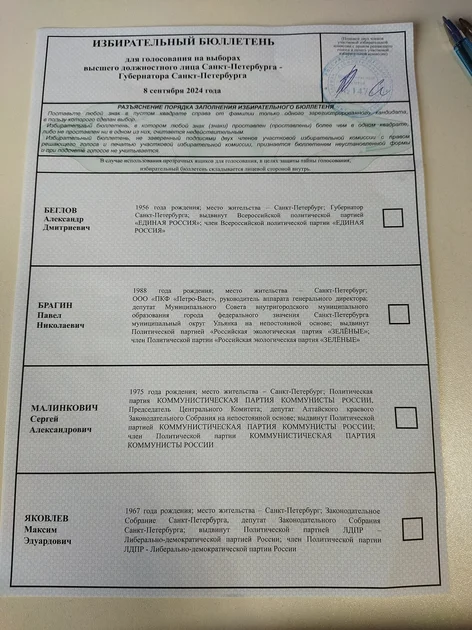
High-Stakes Ballot Fights Dominate the National Conversation
Across the United States, the word ballot is once again at the center of fierce political and legal debate. From state-level referendums to ongoing disputes over voting procedures, the mechanics and content of the ballot are under intense scrutiny heading into a busy electoral season.
In several key states, including Ohio, Wisconsin, and Nevada, citizen-led initiatives have qualified for upcoming special or off-cycle elections, covering issues ranging from reproductive rights and minimum wage increases to gun control and ranked-choice voting reform. At the same time, legal challenges targeting ballot access rules, signature verification standards, and mail-in voting procedures are working their way through federal and state courts — with decisions expected in the coming weeks that could reshape how millions of Americans cast their votes.
Notable Figures and Data Points
According to the National Conference of State Legislatures (NCSL), more than 60 ballot measures are expected to appear before voters across the country in 2025 off-year elections — a figure significantly higher than the same period in previous non-presidential years. Election law scholars point to heightened civic engagement and a surge in referendum-driven policymaking as key drivers. Meanwhile, advocacy groups on both sides of the aisle have collectively raised over $200 million in early campaign funding tied to ballot initiative campaigns, signaling how seriously stakeholders are treating these contests.
Why This Ballot Cycle Matters: Stakes and Background
The current wave of ballot activity doesn't exist in a vacuum. It follows a deeply polarized 2024 presidential election cycle during which ballot integrity, early voting windows, and the handling of mail-in votes became flashpoints in national political discourse. Several states subsequently passed legislation tightening ID requirements and adjusting deadlines for absentee ballots — changes that are now themselves subject to legal challenges in court.
The political landscape surrounding the White House has also played a role. The Trump administration's messaging on electoral issues, amplified through official channels, has kept voter fraud concerns prominent in conservative media and energized Republican-led state legislatures to pursue further ballot-related legislation. As noted in reporting on how administration figures shape political narratives, Karoline Leavitt Becomes the Face of the White House: How America's Youngest Press Secretary Is Shaping the Trump Administration's Message, the current administration has consistently used electoral integrity rhetoric as a mobilization tool.
What's on the Ballot — and What's Being Kept Off
Beyond procedural disputes, the substantive content of ballots is generating controversy. In at least five states, Republican-controlled legislatures have moved to block or modify citizen-initiated measures before they could reach voters, citing procedural grounds. Critics argue this represents a pattern of restricting direct democracy. Proponents counter that quality control over ballot language and legal conformity are legitimate legislative functions.
On the policy side, reproductive rights remain a dominant ballot theme following the 2022 Dobbs ruling. At least eight states are tracking potential abortion-related measures for 2025 and 2026 cycles, with organizers already collecting signatures. Drug policy reform, housing affordability measures, and education funding initiatives round out the most active categories on the ballot landscape.
Broader Implications: Democracy at the Ballot Box in Transition
The intensifying focus on ballot access and ballot content reflects a deeper transformation in how American democracy functions. Direct democracy tools — long considered a populist safety valve — are now themselves contested terrain, with well-funded interest groups on every side working to shape what ultimately appears on the ballot and how it is worded.
Legal experts warn that ongoing court battles over ballot access rules could set precedents with lasting consequences. If federal courts uphold stricter signature-matching requirements, for example, the practical effect could be the disqualification of hundreds of thousands of mail-in votes in future high-turnout elections. Conversely, rulings that loosen verification standards could amplify concerns — however statistically rare confirmed fraud cases may be — about the integrity of results.
Political analysts also note that ballot measures increasingly serve as proxies for the broader culture war, allowing voters to weigh in directly on issues that elected legislatures are often reluctant to address. This dynamic is particularly visible in states with divided governments, where the ballot initiative process has become the primary legislative arena for contested social policies.
For voters, the immediate takeaway is practical: deadlines for voter registration, absentee ballot requests, and signature gathering on initiative petitions are approaching in several states. Staying informed about what is on — or fighting to get on — the ballot in your state has rarely been more consequential.
Comments