
Apple TV’s Bold New Frontier: ‘Star City’ Premieres to Critical Acclaim
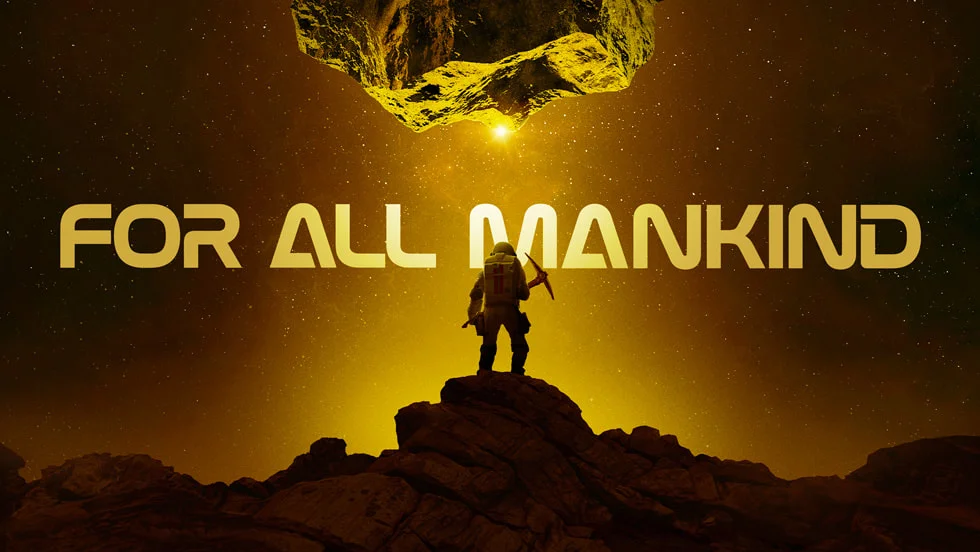
Apple TV+ has officially entered the franchise-building game with the premiere of Star City, a spinoff of its acclaimed alternate-history space drama For All Mankind. The series launched on May 29, 2026, and has already garnered strong reviews, holding a 92% approval rating on Rotten Tomatoes.
Set behind the Iron Curtain, Star City shifts the perspective from NASA’s space-race triumphs to the Soviet Union’s parallel — and often darker — journey after it beats the United States to the Moon. The show offers a fresh take on the For All Mankind universe, blending thriller and espionage elements that critics have praised as distinct from the parent series. “Rather than simply redoing For All Mankind, but with Soviets, the series has a very different feel and focus,” notes a review from 9to5Mac. “It’s a darker show, with thriller and espionage angles that feel unique and fresh.”
This spinoff is just the beginning. Apple TV has publicly signaled its intention to build interconnected universes around its biggest hits — a strategic shift that could redefine the streaming service’s identity in the competitive sci-fi landscape.
The Birth of a Shared Universe: Spinoffs in the Pipeline
Star City is the first of several spinoffs Apple is actively developing. The company has already confirmed that Monarch: Legacy of Monsters will receive multiple spinoffs, the first centering on Wyatt Russell’s young Lee Shaw character. Additionally, Apple’s acquisition of the rights to Severance earlier this year reportedly involved considerations for multiple spinoffs, suggesting the company sees franchise potential in its most distinctive intellectual property.
Even comedy is getting the spinoff treatment. Bill Lawrence, co-creator of the hit comedy Shrinking, has teased that he is considering spinoff ideas. For a platform that has largely avoided spinoffs since its launch nearly seven years ago — aside from a single “quirky one-off experiment” — this marks a decisive strategic pivot.
Apple TV is betting that expanding beloved worlds will deepen subscriber loyalty, drive binge-watching, and create the kind of cultural stickiness that competitors like Netflix and Disney+ have long exploited. The strategy also makes financial sense: building on existing IP reduces the risk of launching entirely new concepts while capitalizing on already invested audiences.
What ‘Star City’ Brings to the Table
Star City takes viewers back to the early days of the Soviet space program, following the aftermath of the USSR’s moon landing. The show explores the regime’s internal dynamics, paranoia, and espionage, with a cast led by Rhys Ifans as the Soviet Union’s Chief Designer. Other notable cast members include Anna Maxwell Martin, Solly McLeod, and Agnes O’Casey, who takes over the role of Irina Morozova from For All Mankind.
Co-creators Matt Wolpert and Ben Nedivi have emphasized that the spinoff is not merely a retread of familiar events. “It was really important to us that it live on its own two feet,” Wolpert explained in an interview with ScreenRant. The show introduces new characters and storylines while maintaining small overlaps with existing ones, such as a young Sergei Nikulov learning from the Chief Designer.
The writing team exploited a narrative gap: the Americans in For All Mankind knew little of what was happening behind the Iron Curtain. This allowed Wolpert, Nedivi, and their writers to craft stories that feel independent of the original series, even as they contribute to a larger shared timeline.
The Apple TV Sci-Fi Renaissance
Star City arrives at a moment when Apple TV is establishing itself as a premier destination for science fiction. The platform has consistently produced prestige sci-fi series, including Severance, Foundation, Pluribus (from Breaking Bad creator Vince Gilligan), and upcoming adaptations like Neuromancer.
Among these, Pluribus has been a standout hit, taking over as the most-watched sci-fi show in Apple TV history after Severance — a title previously held by the dystopian series before its lengthy hiatus. Both Pluribus and Severance have been renewed for additional seasons, though production delays suggest significant gaps between installments.
For All Mankind remains Apple’s longest-running sci-fi original, having debuted in 2019. With the launch of Star City on the same day as the For All Mankind Season 5 finale, Apple is clearly positioning the franchise as a cornerstone of its programming strategy.
What This Means for the Genre
Apple’s commitment to sci-fi spinoffs signals a maturation of the streaming market, where original IP is increasingly leveraged for multiseries universes. Unlike Disney’s Marvel and Star Wars juggernauts — which rely on decades of established canon — Apple is building its shared world from the ground up, one critical hit at a time.
The platform’s willingness to explore spinoffs across genres — from sci-fi to comedy — suggests a broader industry trend: as subscriber growth slows, streaming services are prioritizing depth over breadth. Instead of trying to offer everything, they are investing in worlds that audiences already love, encouraging longer viewing sessions and deeper engagement.
Perspective: A New Direction for Apple TV
For years, Apple TV has been seen as the prestige boutique of streaming — high-quality, limited output, and resistant to franchise fatigue. But Star City and the announced spinoffs suggest a deliberate shift toward scale. The strategy is not about immediate volume; rather, it is about planting seeds for a sustainable ecosystem of interconnected shows.
This approach has risks. Spinoffs can dilute a brand if handled poorly, and the streaming landscape is littered with failed attempts to replicate the MCU model. However, Apple’s track record with thoughtful storytelling — and its willingness to hire top-tier creators like Vince Gilligan, Ronald D. Moore, and Bill Lawrence — may give it an edge.
For viewers, the immediate reward is a compelling new series in Star City. Whether you’ve followed every season of For All Mankind or are new to the universe, the show is designed to stand alone. As Apple TV expands its slate of interconnected stories, it remains to be seen whether this new direction will deliver the long-term loyalty the company is banking on — but early returns are promising.
Streaming wars continue to evolve, and Apple’s bet on franchise television is a clear attempt to carve out a more dominant position in the market. The success of Star City could very well determine how aggressively the service pursues spinoffs for its other hits.
Comments