
Burnham Launches 'Your First Home' to Boost Homeownership
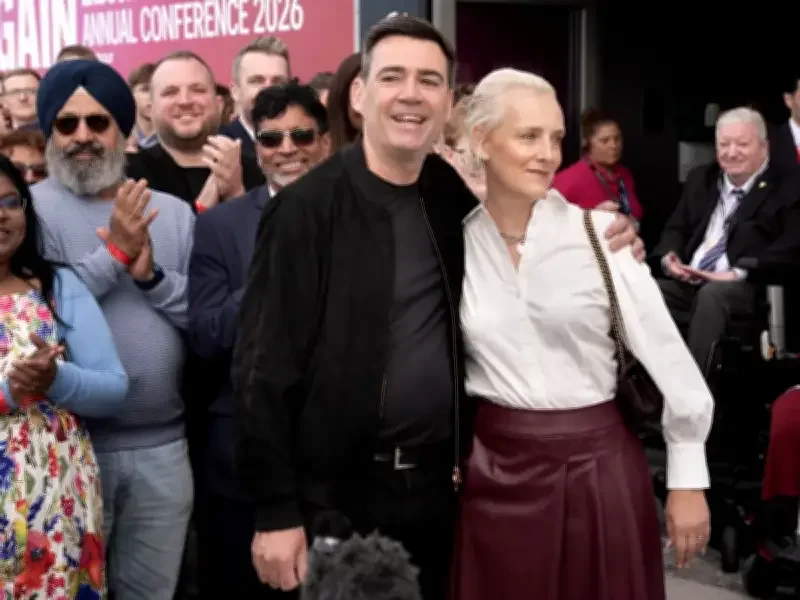
Prime Minister Andy Burnham has announced a new help-to-buy scheme aimed at helping first-time buyers in England who cannot rely on the "bank of mum and dad." The programme, called "Your first home," was unveiled in an exclusive interview with the Guardian on the eve of Labour's annual party conference in Liverpool.
Under the scheme, first-time buyers will receive a 20% equity loan to purchase a new-build home, with an initial interest-free period and a minimum deposit requirement of just 2.5%. Household income caps and deposit caps will be introduced to exclude high earners and those with substantial savings, ensuring the scheme targets those who might otherwise struggle to buy a home. Price caps will also apply to ensure only modest homes are purchased.
In the interview, Burnham said: "Too many young people are struggling with housing, with many giving up hope on ever having a home to call their own. So we are going to help more first-time buyers on to the housing ladder, especially those who can't call on the bank of mum and dad. 'Your first home' will get them the keys to their own front door, and give builders the confidence to deliver the high-quality new homes the country needs."
Burnham also unveiled plans to strengthen the powers of local leaders to take over long-term empty and derelict homes, reversing changes made by the Conservatives.
Adjustments to Address Past Criticisms
The new scheme comes after concerns that George Osborne's original help-to-buy scheme, which supported 387,000 people, was targeted at those who would have got on the housing ladder anyway and contributed to soaring house prices. Burnham said: "We think some adjustments needed to be made to it to make it focus on the people who really need support, and I think our scheme does that."
Housing ministers and officials under Keir Starmer's government had argued for a new version of help to buy but were ultimately overridden by then chancellor Rachel Reeves, who wanted to focus more on boosting housing supply.
High Street Regeneration and Local Powers
In a related move, Burnham has pledged an extra £210m towards regenerating boarded-up high streets, aiming to turn empty shops, pubs, and clubs into community hubs, shared workspaces, and cafes. The funds include a £125m derelict buildings fund to support local councils in revamping vacant shopping centres and disused cinemas, £65m to help communities rescue buildings and businesses at risk of closure, and £20m for co-operative ownership and high street rental auctions.
Burnham said: "People don't measure growth by looking at a spreadsheet. They measure it by looking at their local high street. Are shops opening or are the shutters down? Does the place feel like it's moving forward or being left behind?" He added that the funding would "help put power back into the hands of locals who know their area best."
The announcements come as Burnham, who became prime minister after succeeding Keir Starmer, seeks to distance his government from the previous administration's approach. A Guardian profile noted that Burnham has declared he wants to end 40 years of neoliberalism, identifying the privatisation of essential services under Margaret Thatcher as a long-term cause of Britain's "modern malaise." His speech at the Ministry of Sound in May 2025, where he outlined a vision for Labour to take concrete steps to improve voters' lives, was seen as a signal of his leadership ambitions.
Context: Housing Crisis and Political Shifts
The new housing scheme is part of Burnham's broader effort to address the UK's housing crisis, which has left many young people unable to afford a home. The scheme is designed to stimulate demand for new-build homes while providing targeted support to those without family financial backing.
The high street regeneration funds are intended to reverse the decline of town centres, which have struggled with the shift to online shopping and the cost of living crunch. The £210m pledge builds on existing funds and aims to empower local communities to repurpose vacant properties.
Burnham's focus on housing and high streets reflects his broader political agenda, which emphasises local empowerment and reversing the centralisation of power. His plans to strengthen local leaders' powers to take over empty and derelict homes mark a departure from Conservative policies and align with his commitment to devolution.
The announcement comes amid ongoing debate over the UK's housing policy, with critics arguing that previous help-to-buy schemes inflated prices. Burnham's adjustments, including income and price caps, aim to address these concerns. The scheme's success will depend on its implementation and whether it genuinely helps those most in need.
Broader Implications
Burnham's new policies signal a shift towards a more interventionist approach to housing and urban regeneration. By targeting first-time buyers who lack family support, the scheme seeks to address inequalities in homeownership. The high street funds aim to revitalise local economies and foster community cohesion.
The moves are likely to be welcomed by housing campaigners and local leaders, but may face criticism from those who argue that demand-side subsidies can inflate prices without addressing underlying supply shortages. The government's commitment to building new homes will be crucial to the scheme's success.
As Burnham settles into his role as prime minister, these announcements set the tone for his leadership, emphasising practical solutions to everyday problems. With the Labour conference underway, further policy details are expected in the coming days.
Comments