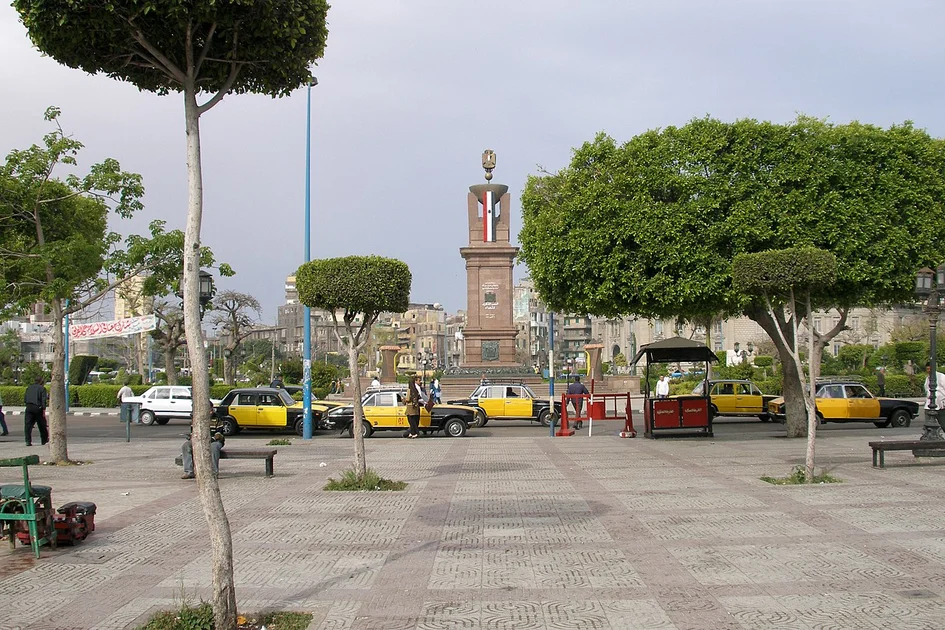
Alexandria stands as one of the most historically significant cities in the world. Founded by Alexander the Great in 331 BCE, this Mediterranean port city has served as a crossroads of civilizations, a seat of ancient knowledge, and a thriving urban center for over two millennia. Today, it remains Egypt's second-largest city and a vital economic and cultural hub.
Historical Origins and Ancient Significance
Alexandria was established on the northwestern coast of Egypt along the Mediterranean Sea. Alexander the Great chose the location strategically, recognizing its natural harbor and proximity to the Nile Delta. After his death, the city came under the rule of the Ptolemaic dynasty, which transformed it into one of the most powerful cities of the ancient world.
The Library of Alexandria
Among the city's most celebrated institutions was the ancient Library of Alexandria, considered the largest and most significant library of the ancient world. Founded in the third century BCE under Ptolemy I Soter, it aimed to collect all human knowledge. Scholars from across the Mediterranean and beyond gathered here to study mathematics, astronomy, literature, and philosophy. The library's eventual destruction — attributed to a series of events over several centuries rather than a single catastrophic fire — remains one of history's great losses of recorded knowledge.
The Lighthouse of Alexandria
Another defining feature of ancient Alexandria was its lighthouse, known as the Pharos of Alexandria. Built on the small island of Pharos and completed around 280 BCE, it stood between 100 and 130 meters tall and guided maritime traffic into the busy harbor. It is considered one of the Seven Wonders of the Ancient World and served as a model for lighthouse design for centuries.
Geography and Urban Structure
Alexandria stretches along approximately 32 kilometers of Mediterranean coastline. The city sits on a narrow strip of land between the sea to the north and Lake Maryut to the south. This unique geography has shaped its climate, economy, and urban planning throughout history.
The city is divided into several distinct districts. The Eastern Harbor area contains much of the historical core, while newer residential and commercial zones extend westward. Neighborhoods such as Montaza, Raml Station, and Smouha each carry their own character and history.
Climate and Environment
Alexandria enjoys a Mediterranean climate, characterized by mild, wet winters and warm, dry summers. The sea breeze moderates temperatures significantly compared to Cairo and other inland Egyptian cities. Annual rainfall, while modest, is higher here than almost anywhere else in Egypt, contributing to a greener urban landscape.
Cultural Heritage and Landmarks
The city's cultural identity reflects its layered past — ancient Egyptian, Greek, Roman, Arab, and Ottoman influences have all left visible marks on its architecture, cuisine, and traditions.
The Bibliotheca Alexandrina
Opened in 2002, the Bibliotheca Alexandrina is a modern cultural complex built as a tribute to the ancient library. Designed by the Norwegian firm Snøhetta, the building features a tilted cylindrical roof and a facade inscribed with characters from 120 different scripts. Today it functions as a major library, research center, museum, and planetarium, attracting scholars and tourists from around the world.
Greco-Roman Museum and Catacombs
The Greco-Roman Museum houses an extensive collection of artifacts spanning the city's classical period, including sculptures, coins, and everyday objects from Ptolemaic and Roman eras. The Catacombs of Kom El Shoqafa, dating to the second century CE, represent a fascinating fusion of Egyptian and Roman funerary traditions and are accessible to visitors today.
Qaitbay Citadel
Constructed in the 15th century CE by Sultan Qaitbay on the site where the ancient Pharos lighthouse once stood, the Qaitbay Citadel is one of Alexandria's most recognizable landmarks. It served as a military fortification for centuries and now operates as a museum overlooking the Eastern Harbor.
Alexandria in the Modern Era
With a population estimated at over five million people, Alexandria is Egypt's principal seaport and second most populous city after Cairo. The port handles a significant portion of Egypt's international trade, making it a cornerstone of the national economy.
The city is also an important center for industry, particularly textiles, food processing, and petroleum refining. Several universities and research institutions are located here, including Alexandria University, founded in 1938, which attracts students from across Egypt and the wider Arab world.
Tourism continues to play a meaningful role in the local economy. Visitors are drawn by the combination of ancient sites, Mediterranean beaches, and a cosmopolitan atmosphere that sets Alexandria apart from other Egyptian cities. Efforts to preserve and promote the city's archaeological heritage remain ongoing, with underwater excavations in the Eastern Harbor having uncovered additional artifacts linked to the Ptolemaic period.
Alexandria's blend of deep historical roots and contemporary urban life makes it a city of enduring relevance, both within Egypt and on the global cultural stage.
Comments