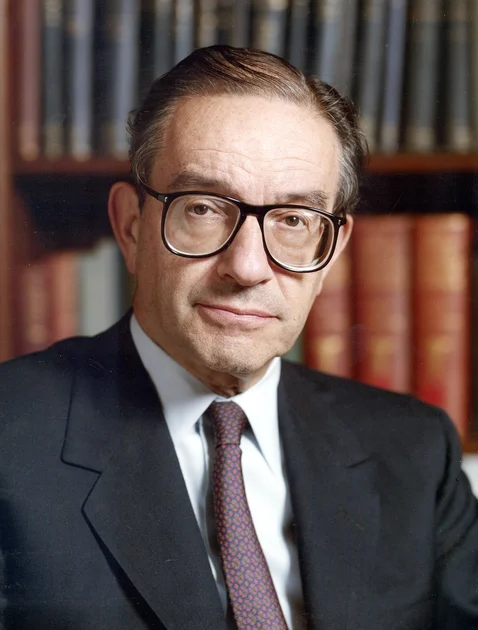
Alan Greenspan Back in the Spotlight as Fed Debates Intensify
Alan Greenspan, the former Federal Reserve Chairman who shaped American monetary policy for nearly two decades, is drawing renewed public attention as the United States navigates one of its most turbulent economic periods in recent memory. At 99 years old, Greenspan remains a towering reference point for economists, policymakers, and market observers seeking historical precedent in an era of persistent inflation fears, rate uncertainty, and political pressure on the central bank.
The renewed interest in Greenspan comes amid a broader national conversation about the independence of the Federal Reserve and the long-term consequences of monetary decisions. His name has surfaced repeatedly in op-eds, policy forums, and financial media as analysts draw — and sometimes dispute — parallels between his era and today's economic conditions.
Key Facts: Who Is Alan Greenspan?
Alan Greenspan served as Chairman of the Federal Reserve from 1987 to 2006, appointed first by President Ronald Reagan and subsequently reappointed by three successive presidents. During his tenure, he presided over events including the 1987 stock market crash, the dot-com bubble, and the lead-up to the 2008 financial crisis. His philosophy, broadly associated with deregulation and free-market principles, made him one of the most influential economic figures of the 20th century.
His 2007 memoir, The Age of Turbulence, became a bestseller, and his congressional testimonies were closely followed by global markets for years. Since his retirement, Greenspan has occasionally commented on economic policy, though his public appearances have become increasingly rare.
Why Greenspan Matters Right Now
The current economic environment — marked by debates over interest rate cuts, concerns about stagflation, and questions about central bank credibility — has made Greenspan's legacy both instructive and contested. Critics point to the prolonged period of low interest rates during his final years as Fed chair as a contributing factor to the financial conditions that led to the 2008 housing collapse. Supporters argue that his ability to engineer a so-called "soft landing" in the 1990s offers a blueprint that today's Fed officials would do well to study.
As markets remain on edge — a sentiment well captured in recent coverage of Dow Futures sliding amid trade war fears and Fed uncertainty — economists are increasingly returning to Greenspan's record to assess what worked, what failed, and what lessons apply to the present moment.
The Fed Independence Question
Perhaps the most pointed reason for Greenspan's return to public discourse is the ongoing debate about the political independence of the Federal Reserve. Current Fed Chair Jerome Powell has faced unprecedented pressure from political figures, reigniting questions about how central banks should respond when executive power pushes against their mandates.
Greenspan navigated similar, if less acute, pressures during his tenure. His carefully calibrated public statements — often described as deliberately opaque — were a deliberate strategy to maintain the Fed's authority while managing political relationships. That balancing act is now viewed through a new lens, as analysts ask whether institutional independence can withstand the pressures of today's polarised political climate.
The June Jobs Report, which beat expectations, added another layer of complexity: strong labour market data complicates the Fed's rate-cutting calculus in ways that echo Greenspan-era dilemmas about when to act and when to hold.
The Broader Implications: What Greenspan's Legacy Tells Us About Now
The renewed examination of Alan Greenspan is about more than nostalgia. It reflects a deeper need to understand how monetary policy decisions compound over time — often with consequences that only become visible years or decades later. His tenure demonstrated both the immense power and the inherent limitations of central banking as a tool for economic stability.
For a new generation of economists and investors, Greenspan represents a case study in the tension between short-term market management and long-term structural risk. His willingness to let asset prices run — sometimes referred to as the "Greenspan put" — created a moral hazard that many argue still echoes in financial markets today.
As the United States and global economies grapple with persistent uncertainty, the instinct to look backward at figures like Greenspan is understandable. His record does not offer simple answers, but it provides a richly documented example of how consequential — and how fallible — economic stewardship at the highest levels can be.
At 99, Alan Greenspan may no longer be shaping policy. But his decisions continue to shape the world those policies left behind.
Comments