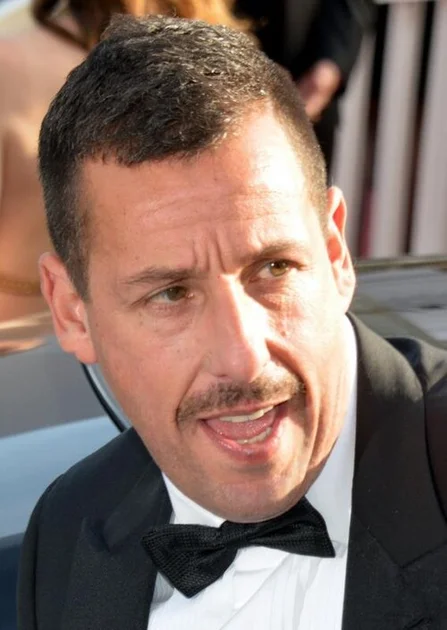
Meta description: Adam Sandler is back in the spotlight with new projects and record streaming numbers. Here's why the comedian-actor is more relevant than ever in 2025.
Adam Sandler Breaks Records and Defies Expectations Again
Adam Sandler is once again dominating headlines in 2025, and this time the conversation extends well beyond punchlines about his famously casual wardrobe. The 58-year-old actor, comedian, and producer is riding a remarkable wave of renewed cultural relevance, fueled by a combination of blockbuster Netflix performances, critically praised dramatic roles, and a live touring presence that continues to sell out arenas across North America.
Sandler's latest Netflix stand-up special has drawn record viewership figures in its opening weekend, according to data shared by the platform, making it one of the most-watched comedy specials in Netflix history. The news comes as his production company, Happy Madison Productions, confirms multiple film projects currently in development — cementing Sandler's status not merely as a surviving relic of 1990s comedy, but as one of the most bankable stars in the streaming era.
Key Numbers Behind the Comeback
The scale of Sandler's current popularity is difficult to overstate. His 2023 film You Are So Not Invited to My Bat Mitzvah became one of Netflix's top family films of that year, and his dramatic turn in Hustle (2022) earned widespread critical praise and reignited conversations about whether he deserves serious awards consideration. Industry analysts tracking streaming metrics have noted that Sandler's back catalogue consistently ranks among the most re-watched libraries on Netflix globally — a testament to his multigenerational appeal.
His ongoing concert tour, which blends stand-up with musical performances, has sold out dates in cities from New York to Los Angeles, with secondary market ticket prices rivalling those of major musical acts.
Why the Adam Sandler Renaissance Matters
A Career Built on Defying the Critics
Understanding the current Sandler moment requires looking at the arc of his career. Dismissed by many critics throughout the 2000s and early 2010s for a string of broadly commercial comedies, Sandler never fully lost his audience — he simply redirected it. His 2019 performance in Uncut Gems, directed by the Safdie Brothers, is widely credited as the turning point that forced a critical reassessment. The film grossed over $50 million on a modest budget and earned Sandler recognition from several critics' associations, even as major awards bodies largely overlooked him.
What followed was a calculated pivot: Sandler began alternating crowd-pleasing Netflix comedies with prestige dramatic projects, a dual-track strategy that has proven extraordinarily effective. It mirrors broader industry trends in which streaming platforms have given mid-career stars the freedom to take creative risks without the constraints of traditional studio expectations — a shift that has reshaped Hollywood's relationship with established talent.
The Netflix Partnership as a Blueprint
Sandler's long-term deal with Netflix, first signed in 2014 and renewed multiple times since, represents one of the earliest and most successful examples of a major comedy star anchoring a streaming platform's content strategy. The partnership gave Sandler creative autonomy and guaranteed budgets, while providing Netflix with a reliable source of high-engagement content across demographics. As the streaming wars continue to intensify — with platforms battling for exclusive talent and content rights — the Sandler model has become something of a template for how legacy stars can find second careers in the digital landscape.
What Sandler's Moment Reveals About Comedy and Culture in 2025
The Adam Sandler story in 2025 is about more than one performer's career trajectory. It reflects a broader cultural shift in how audiences and institutions evaluate comedic talent. For decades, the boundary between "serious" acting and comedy was enforced by awards bodies, critics, and studios alike. That wall has been gradually dismantled, and Sandler is perhaps its most visible casualty — or rather, its most visible beneficiary.
In an entertainment landscape increasingly defined by nostalgia, authenticity, and audience loyalty over critical consensus, Sandler's brand of earnest, accessible humor has aged remarkably well. His willingness to be vulnerable on screen — whether playing a grief-stricken father, a gambling-addicted jeweller, or a basketball scout chasing one last dream — has connected with audiences in ways that pure slapstick never could alone.
As Hollywood continues to grapple with questions of who gets to define quality and what stories deserve to be told with prestige, Adam Sandler stands as a compelling case study: an entertainer who outlasted the cynicism directed at him, on his own terms, and built something genuinely durable in the process.
Comments