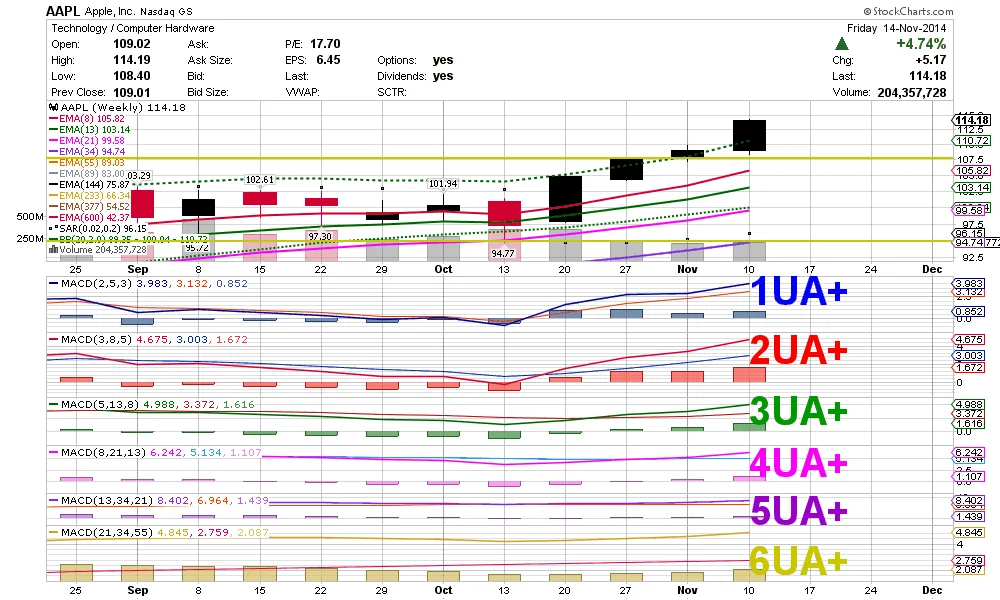
What Is AAPL Stock?
AAPL is the ticker symbol for Apple Inc., one of the most recognized and widely held publicly traded companies in the world. Apple trades on the Nasdaq Global Select Market, where it has been listed since its initial public offering in December 1980. The company is a component of major indices including the S&P 500, the Dow Jones Industrial Average, and the Nasdaq-100, making AAPL stock a benchmark holding in countless investment portfolios.
Apple's Market Position
Apple has consistently ranked among the largest companies by market capitalization globally. The company's valuation has repeatedly crossed the $2 trillion and even $3 trillion threshold, reflecting investor confidence in its product ecosystem, services revenue, and brand loyalty. Its sheer scale means that movements in AAPL stock can influence the broader market indices it belongs to.
How AAPL Is Classified
AAPL stock is classified within the technology sector, specifically under the consumer electronics and software industries. Analysts and fund managers often use it as a proxy for measuring overall technology sector health, given its prominent weighting in major indices.
Historical Performance of AAPL Stock
Apple's share price history is one of the most dramatic in modern financial markets. From a split-adjusted price of under $1 in the early 2000s, AAPL has grown to trade in the range of $150 to $200 in recent years, representing extraordinary long-term returns for early investors.
Stock Splits
Apple has executed several stock splits over its history to keep the share price accessible to a broader range of investors. Notable splits include a 2-for-1 split in 2005 and 2014, a 7-for-1 split in 2014, and a 4-for-1 split in August 2020. Each split increased the number of shares outstanding while proportionally reducing the per-share price.
Key Milestones
- 2007: The launch of the original iPhone transformed Apple's revenue profile and began a new era of growth for the stock.
- 2012: AAPL briefly became the most valuable publicly traded company in history at that time.
- 2020: Apple became the first U.S. company to surpass a $2 trillion market capitalization.
- 2022–2023: The stock faced headwinds from rising interest rates, supply chain disruptions, and slowing smartphone demand, yet remained resilient relative to peers.
Key Financial Metrics for AAPL
Understanding the fundamental data behind AAPL stock helps investors evaluate whether the shares are appropriately valued relative to the company's earnings and growth prospects.
Earnings Per Share (EPS) and Revenue
Apple generates revenue across several segments: iPhone, Mac, iPad, Wearables and Accessories, and Services. The Services segment — which includes the App Store, Apple Music, iCloud, and Apple TV+ — has become an increasingly important revenue driver, offering higher margins than hardware sales. Apple regularly reports EPS figures that analysts compare against consensus forecasts to gauge financial momentum.
Price-to-Earnings Ratio
The price-to-earnings (P/E) ratio for AAPL stock has historically traded at a premium to the broader market, reflecting expectations of continued growth and strong cash flow generation. The company's ability to return capital to shareholders through buybacks and dividends also supports its valuation.
Dividends and Buybacks
Apple reinstated its dividend in 2012 after a long hiatus and has increased the payout regularly since then. However, the company's share repurchase program is arguably more significant, with Apple spending tens of billions of dollars annually buying back its own stock, which reduces the share count and can support earnings per share growth over time.
Factors That Influence AAPL Stock Price
Several recurring factors affect how AAPL stock trades on a day-to-day and longer-term basis.
Quarterly Earnings Reports
Apple releases quarterly earnings four times per year. These reports reveal revenue, profit margins, and forward guidance, all of which can cause significant short-term price movements. iPhone unit sales and Services segment growth are closely watched metrics.
Macroeconomic Conditions
As a large-cap growth and income stock, AAPL is sensitive to changes in interest rates, inflation expectations, and broader economic conditions. Periods of rising rates have historically pressured high-multiple technology stocks, including Apple.
Competitive Landscape and Innovation
Product launches, regulatory developments, competition from Android manufacturers, and new technology investments — such as augmented reality headsets or artificial intelligence integration — can shift analyst sentiment and influence the stock's direction.
Analyst Ratings and Price Targets
Wall Street analysts from major investment banks regularly publish research on AAPL stock, updating price targets and buy, hold, or sell recommendations based on financial models and industry assessments. These reports often move the stock in the short term.
AAPL stock remains a central holding for individual and institutional investors alike, reflecting Apple's enduring position as a global technology and consumer brand leader.
Comments