Treasury Yields Push Higher as Markets Brace for Uncertainty
The 10-year Treasury yield has climbed back toward levels not consistently seen in over a decade, drawing attention from investors, economists, and policymakers across the globe. In recent sessions, the benchmark yield has hovered in a range that continues to pressure equity valuations and consumer borrowing costs alike, signalling that bond markets remain deeply unsettled heading into the second half of 2025.
Key Numbers Behind the Move
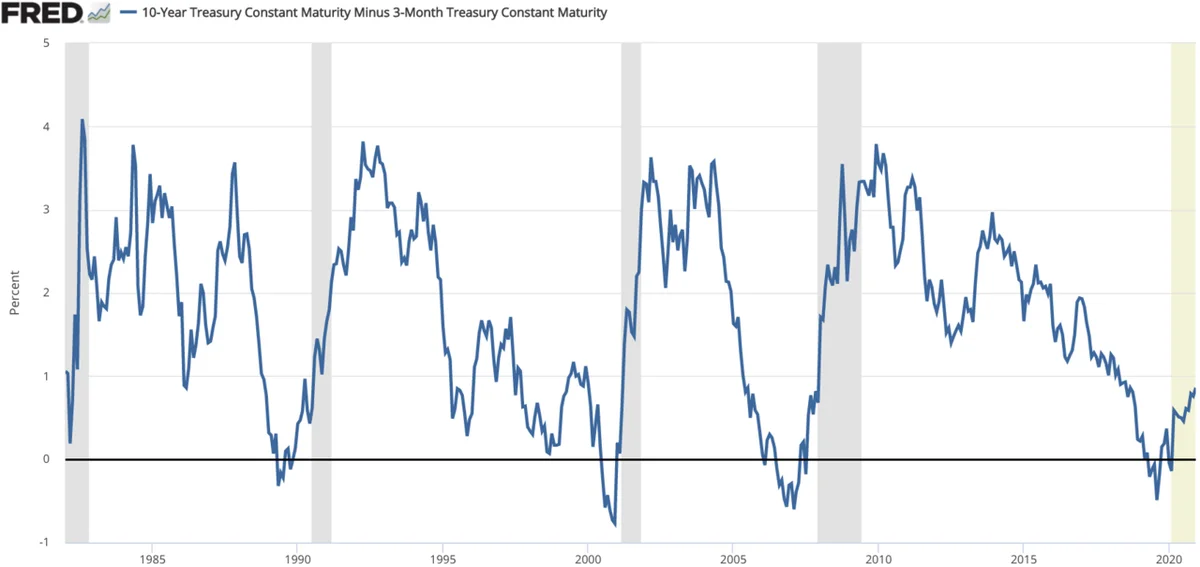
The 10-year Treasury yield — widely regarded as the most important interest rate in the world — has been trading above 4.5%, with intraday spikes approaching 4.7% in volatile sessions. That puts it well above the levels seen during most of the post-2008 era, when yields were suppressed by near-zero interest rate policies and repeated rounds of quantitative easing. The move has been sharp enough to ripple through mortgage markets, corporate debt pricing, and global currency dynamics.
For everyday Americans, the practical impact is already visible: 30-year fixed mortgage rates have tracked the yield higher, making homeownership increasingly out of reach for first-time buyers. Auto loans and credit card rates have similarly tightened, squeezing household finances at a time when consumer confidence remains fragile.
Why the 10-Year Treasury Yield Is Rising — and Why It Matters
Several forces are converging to push yields upward. Chief among them is persistent uncertainty over the Federal Reserve's policy path. Despite earlier expectations of multiple rate cuts in 2025, stubborn inflation data and a resilient labour market have forced the Fed to hold rates higher for longer than many anticipated. As recently reported, the June Jobs Report beat forecasts, adding to the case for the Fed to delay easing.
Fiscal Concerns Add Fuel to the Fire
Beyond monetary policy, the bond market is increasingly pricing in longer-term concerns about US fiscal sustainability. Expanding federal deficits, a growing national debt, and uncertainty around the debt ceiling have prompted some investors to demand a higher premium — what analysts call the "term premium" — to hold longer-dated US government bonds. When investors perceive more risk in holding a 10-year bond, they demand a higher yield in return, pushing the price of existing bonds down.
This dynamic is not entirely new. Analysts who have studied historical parallels frequently reference the era of former Fed Chair Alan Greenspan, whose legacy has been revisited amid what many describe as modern monetary turmoil. The challenges facing today's policymakers — balancing inflation control against growth and fiscal stability — echo debates that defined earlier decades of US economic management.
Trade Policy Uncertainty
Adding another layer of complexity, renewed tensions around trade policy have unsettled financial markets more broadly. Tariff risks and fears of a prolonged trade dispute have fed volatility across asset classes, contributing to the turbulent backdrop that has investors reassessing the relative safety of long-duration bonds. As markets grapple with this environment, the interplay between equity and bond volatility has become more pronounced, creating feedback loops that amplify yield moves.
What Rising Yields Signal for the Broader Economy
The sustained elevation of the 10-year Treasury yield carries implications that extend well beyond Wall Street trading floors. At its core, a higher yield represents tighter financial conditions — it raises the cost of capital for businesses, weighs on stock valuations (particularly in interest-rate-sensitive sectors like real estate and utilities), and complicates the debt-servicing arithmetic for both governments and corporations.
For global markets, US yields serve as a gravitational anchor. When they rise, capital tends to flow toward dollar-denominated assets, strengthening the US dollar and placing pressure on emerging market currencies and debt. Countries that borrow in dollars face higher refinancing costs, and the ripple effects can be felt from Latin America to Southeast Asia.
Mortgage and Consumer Credit Fallout
Domestically, the housing market faces one of its most challenging stretches in recent memory. With 30-year mortgage rates closely tied to the 10-year Treasury yield, potential homebuyers are navigating a market where affordability has deteriorated significantly from pandemic-era lows. Economists warn that a prolonged period of elevated yields could further suppress housing activity and dampen consumer spending, two pillars of US economic growth.
The broader question now confronting investors and policymakers is whether the current yield level represents a new normal or a temporary overshoot that will eventually correct. Prediction markets have begun pricing in a wider range of outcomes for Fed policy and long-term rates, reflecting the depth of current uncertainty. Platforms like Kalshi, which aggregate crowd-sourced forecasts on economic events, show a wide dispersion of views on where the 10-year yield will settle by year-end.
What is clear is that the 10-year Treasury yield remains the single most watched number in global finance — and for good reason. Its trajectory over the coming months will shape the cost of borrowing, the pace of investment, and the health of the broader economy in ways that touch virtually every corner of financial life.
Comments